Tag: dental procedures

  • 5 Clear Signs You May Need Braces.

    5 Clear Signs You May Need Braces.

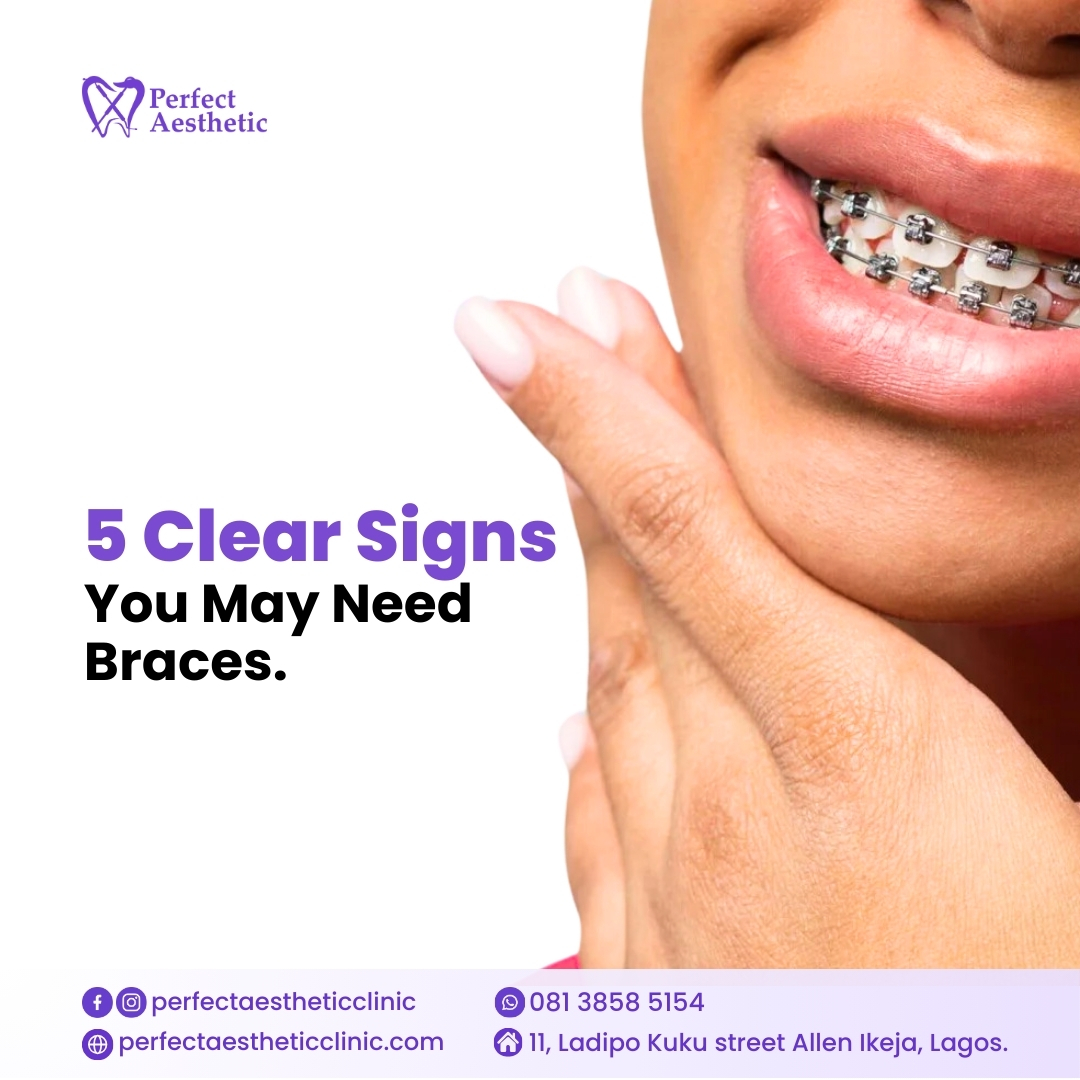
    If you’ve noticed any issues with your teeth or bites, these may be clear signs that you need braces.
    Braces
    Braces – Perfect Aesthetic Clinic

    Healthy teeth go beyond perfect white teeth. Properly aligned teeth play a crucial role in your oral health, affecting not only aesthetics but also your ability to chew, speak, and maintain good oral hygiene.


    While braces are often associated with childhood and teenage years, orthodontic treatment can benefit people of all ages.

    Here, we’ll explore 5 clear signs that suggest you may need braces and why seeking professional advice is crucial for achieving a straighter, healthier smile.

    1. Crowded or misaligned teeth.

    One of the most common indicators of needing braces is having crowded or misaligned teeth. This occurs when there isn’t enough space in your jaw for all your teeth to erupt properly. As a result, teeth can grow in crooked, overlapping, or angled positions.
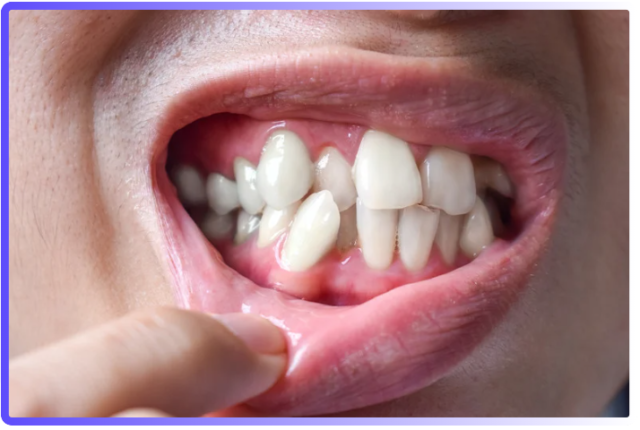
    Crowded Teeth- Perfect Aesthetic
    Crowded Teeth- Perfect Aesthetic

    Crowded teeth not only affect your smile’s aesthetics but can also create challenges in maintaining good oral hygiene. It can be difficult to properly brush and floss between teeth that are crammed together, leading to plaque buildup, gum disease, and cavities.

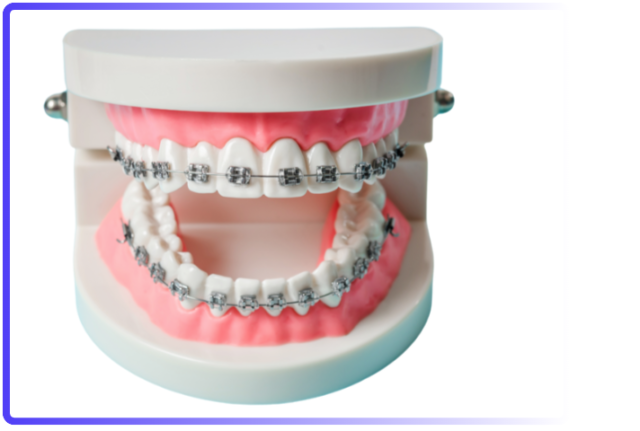
    Fortunately, orthodontic treatment with braces can effectively address crowding and misalignment. Braces gently apply pressure over time, gradually shifting your teeth into their optimal positions. This creates a more aesthetically pleasing smile and allows for easier cleaning, promoting better oral health.


    2. Overbite or underbite

    These are terms used to describe the way your upper and lower jaws meet. In a normal bite, your upper front teeth slightly overlap the lower front teeth. However, when the overlap is excessive (overbite) or the lower jaw protrudes further than the upper jaw (underbite), it can be indicative of a misaligned bite.
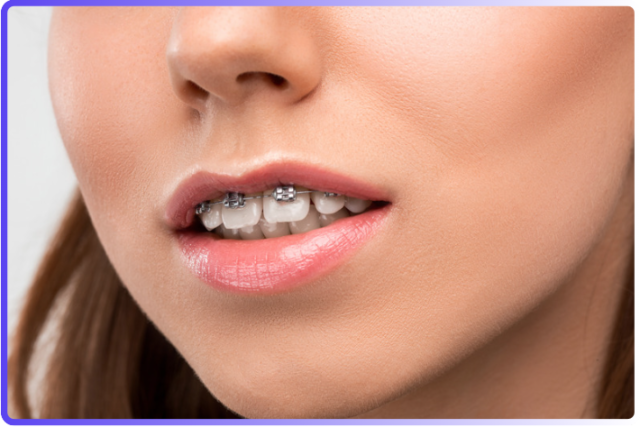
    Overbite
    Overbite – Perfect Aesthetic Clinic

    Overbites and underbites can be caused by various factors, including genetics, childhood habits like thumb sucking, or jaw development issues. These misalignments can lead to problems with chewing, speech difficulties (lisps), and excessive wear and tear on teeth.

    Braces are a highly effective solution for correcting overbites and underbites. By strategically applying pressure, braces can adjust the position of your teeth and jaws, creating a more balanced and functional bite. This not only improves your smile’s appearance but also alleviates potential chewing and speaking problems, promoting overall oral health.

    3. Jaw pain or clicking

    Do you experience frequent jaw pain, tenderness, or a clicking sensation when you open or close your mouth? These symptoms can be a sign of a condition called temporomandibular joint disorder (TMJ). While TMJ can have various causes, misaligned teeth, and an improper bite are often contributing factors.

    Jaw pain or clicking
    Jaw pain or clicking – Perfect Aesthetic Clinic

    When your teeth are misaligned, it can put a strain on the jaw joint and surrounding muscles, leading to pain and dysfunction. Clicking sounds may also occur due to imbalances in the joint’s movement. Early intervention is crucial, as untreated TMJ can cause chronic pain, headaches, and limitations in jaw movement.

    Braces can play a significant role in alleviating TMJ symptoms by correcting the underlying misalignment of your teeth and bite. By strategically positioning your teeth, braces can help rebalance the jaw joint, reducing strain on the muscles and promoting proper function. This can significantly improve jaw pain, clicking sounds, and overall TMJ symptoms.


    4. Difficulty chewing or speaking.

    Beyond aesthetics, misaligned teeth can impact your ability to chew effectively and speak clearly. Chewing requires a coordinated effort between your teeth and jaw. When your teeth are misaligned, it can make it difficult to grind food properly, leading to discomfort or digestive issues.

    Speaking can also be affected by misaligned teeth. Speech impediments like lisps or difficulty pronouncing certain sounds can be a consequence of teeth placement. These challenges can lead to social anxiety and hinder clear communication.

    Braces offer a solution to these functional problems. By straightening your teeth and correcting your bite, braces can improve your ability to chew comfortably and efficiently. Additionally, improved tooth alignment can enhance your speech clarity, allowing you to communicate confidently and without difficulty.


    5. Excessive wear and tear on teeth.

    Over time, misaligned teeth are more susceptible to uneven wear and tear. This is because the pressure of chewing isn’t distributed evenly across the teeth. As a result, some teeth may become excessively worn down, chipped, or cracked. This not only affects aesthetics but also weakens the tooth structure, increasing the risk of fractures and sensitivity.

    Braces can help prevent future damage by correcting the underlying cause of uneven wear. By aligning your teeth properly, braces ensure a more balanced distribution of forces during chewing, protecting your teeth from further wear and tear.

    Additionally, properly aligned teeth are easier to clean and maintain, further protecting them from decay and other dental problems.


    Conclusion:

    Seek professional advice for a better smile and teeth.

    Noticing any of the signs mentioned above doesn’t necessarily mean you need braces. However, it’s crucial to schedule a consultation with an orthodontist, a dental specialist trained in correcting bite problems and tooth alignment.

    An orthodontist will conduct a comprehensive examination, including X-rays and impressions, to determine the cause of your concerns and recommend the most suitable treatment option. For mild to moderate misalignment, traditional braces or clear aligners may be recommended. For more complex cases, other orthodontic appliances or even jaw surgery might be necessary.

    Early orthodontic intervention can be particularly beneficial for growing children and teenagers. By addressing misalignment early on, orthodontists can guide jaw development and prevent future complications. However, orthodontic treatment is not limited to children and teens. Adults can also benefit from braces or clear aligners to achieve a straighter smile and improve their oral health.

    Take the first step towards a healthier smile.

    If you’re concerned about the alignment of your teeth or are experiencing any of the signs discussed above, don’t hesitate to reach out to a qualified orthodontist. Early diagnosis and treatment can make a significant difference in achieving a healthy, beautiful smile that not only looks good but also functions optimally. Contact our clinic today to schedule a consultation and discuss your options for a straighter, healthier smile!

    The specific signs and symptoms you experience may vary depending on the underlying cause of your misalignment.

    Consulting a qualified orthodontist is essential for an accurate diagnosis and personalized treatment plan. Schedule an appointment with us today to get started.
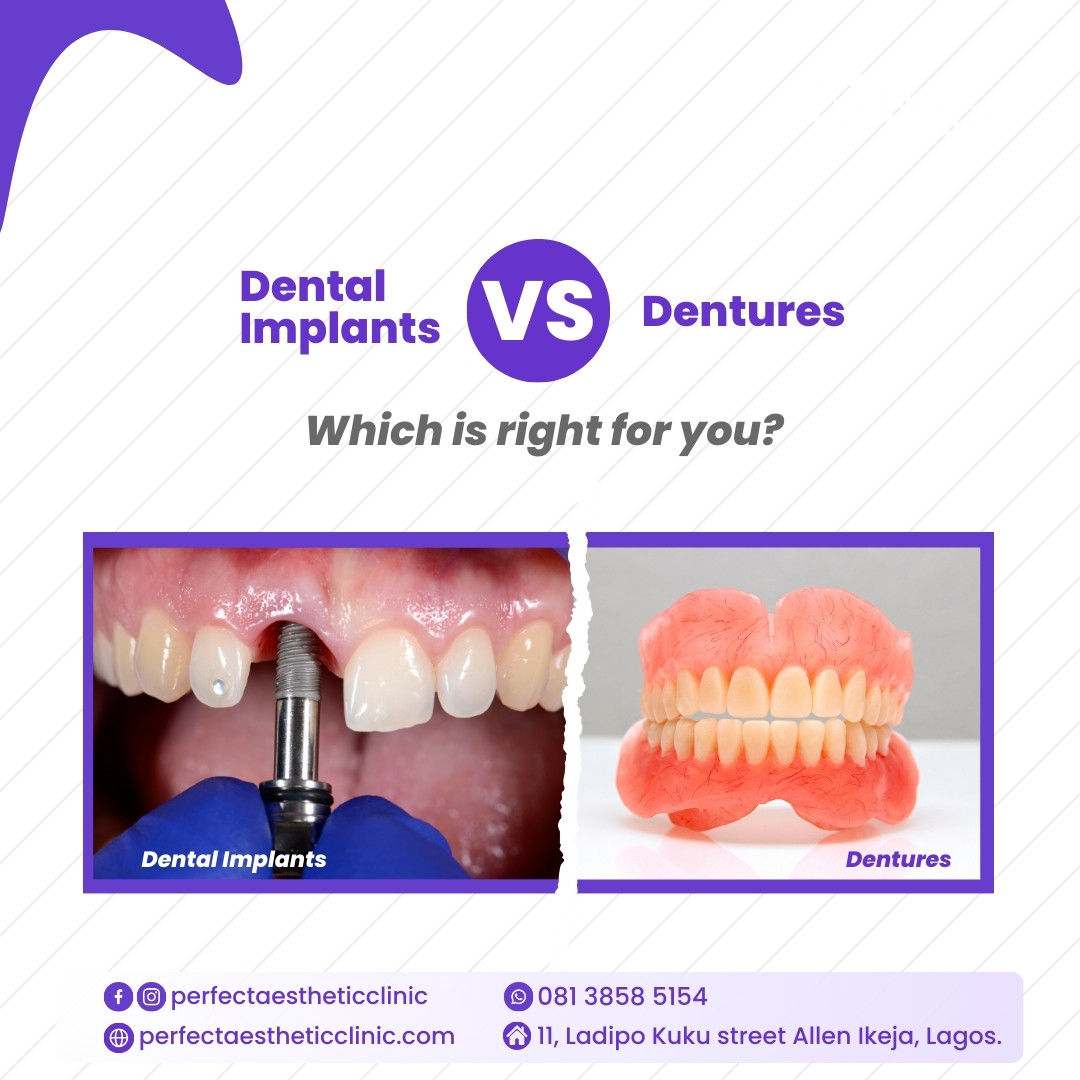
  • Dental Implants vs. Dentures: Which is Right for You?

    Dental Implants vs. Dentures: Which is Right for You?

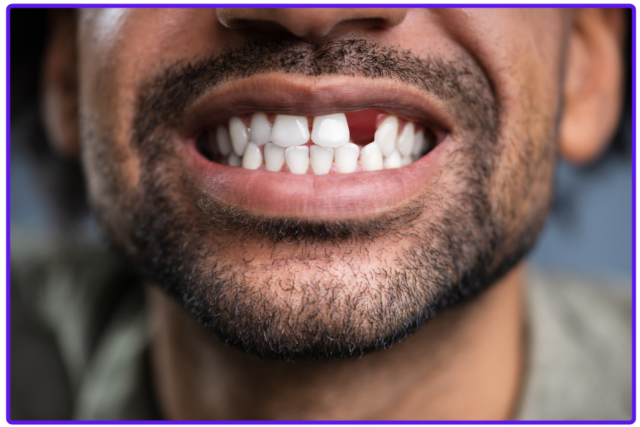
    Missing teeth can be a significant concern, impacting your smile’s aesthetics and your ability to eat, speak, and chew comfortably. Fortunately, dental clinics offer two excellent solutions for replacing missing teeth: dental implants and dentures.

    Missing teeth - Perfect Aesthetic Clinic
    Missing teeth – Perfect Aesthetic Clinic

    While dentures and implants can restore your tooth, they differ significantly in function, feel, and longevity.

    This post delves into the key differences between dental implants and dentures, helping you understand which option might be the best for you.

    Ultimately, the ideal choice depends on your circumstances, budget, and desired outcome. However, we’ll explore the advantages of dental implants, making a strong case for implants as a superior solution for a lasting, natural-looking smile.

    What are dentures?

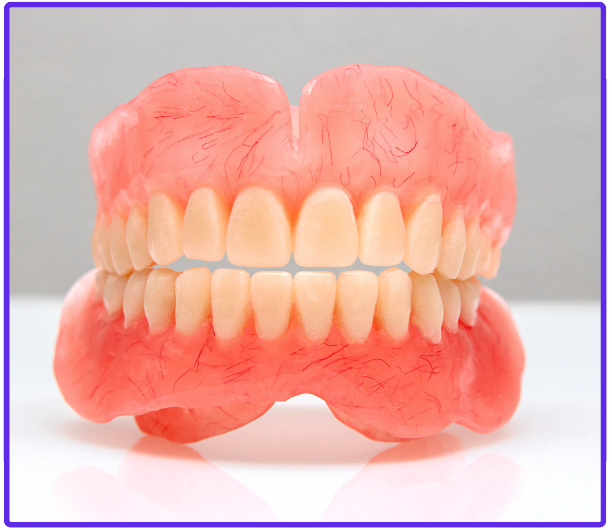
    Dentures are removable replacements for missing teeth, crafted from acrylic resin or a combination of acrylic and metal.

    Dental Implants vs. Dentures: Which is Right for You?
    Dentures – Prefect Aesthetic Clinic
    They come in two primary forms:

    1. Full dentures replace all teeth in either the upper or lower jaw, or both.

    2. Partial dentures: These are used when some natural teeth remain. They fill in the gaps created by missing teeth, attaching to the remaining natural teeth with clasps or metal frameworks.


    Some benefits of dentures include:

    1. Cost-effective: Dentures are generally a more affordable option upfront compared to dental implants.
    2. Quick procedure: Getting fitted for dentures is typically faster than dental implants.

    3. Suitable for some jawbone conditions: Dentures can be a good option for individuals with compromised jawbone health.


    Challenges associated with dentures are:

    1. Dentures can slip or become loose, especially over time, causing discomfort and slurred speech during eating or speaking.

    2. Dentures don’t stimulate the jawbone like natural teeth, leading to bone loss over time, further impacting denture fit.

    3. Dentures require regular cleaning and soaking in solutions to prevent bacterial growth and maintain hygiene.

    4. Dentures may not allow you to bite or chew with the same force as natural teeth, potentially limiting your dietary choices.


    Why are dental implants a more permanent solution?

    Dental implants are considered the gold standard for tooth replacement, offering a more natural look, feel, and function than dentures.

    Dental Implants vs. Dentures: Which is Right for You?
    Dental Implants – Perfect Aesthetic Clinic

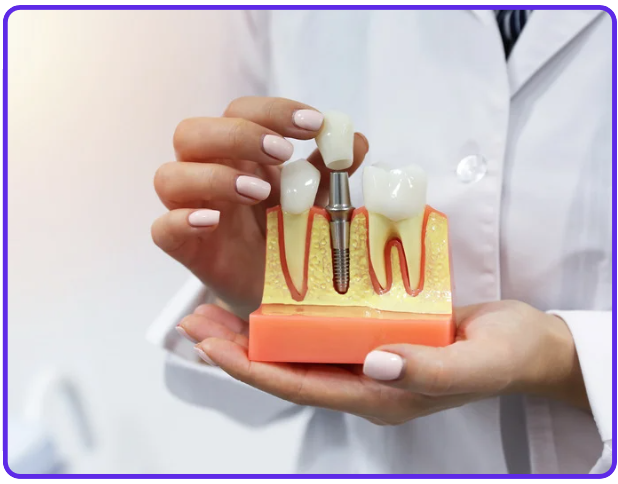
    Implants are small titanium posts surgically placed into the jawbone, acting as anchors for artificial teeth. These teeth, called crowns, are custom-designed to match your surrounding teeth in size, shape, and colour.


    Some benefits of dental implants for your teeth replacement include:

    1. Dental implants fuse with the jawbone, mimicking the function of natural teeth. This provides a stable, secure fit and allows for natural biting and chewing.

    2. With proper care, dental implants can last a lifetime, eliminating the need for replacements frequently required with dentures.

    3. Implants stimulate the jawbone, preventing bone loss and promoting long-term oral health.

    4. A secure, natural-looking tooth can significantly boost your confidence and self-esteem.

    5. Dental implants allow you to enjoy a wider range of foods without worrying about limitations often associated with dentures.


    What you should know before considering dental implants.

    1. Cost: Dental implants are typically a more significant upfront investment than dentures.

    However, considering their longevity and reduced need for replacements, they are a cost-effective option in the long run.

    2. Procedure: Dental implant placement is a surgical procedure requiring a longer treatment time than dentures.

    Modern dental techniques and anesthesia ensure a comfortable experience.

    3. Eligibility: Dental implant placement requires sufficient healthy jawbone density to support the implants.

    In some cases, bone grafting procedures might be necessary before implant placement.


    Expert dentist opinion and consideration:

    Ultimately, the best choice between dentures and dental implants depends on your needs, budget, and oral health.

    A qualified dentist should assess your teeth, discuss your goals for tooth replacement, and recommend the best option for you.

    They should address any concerns you have about dental implant surgery and aftercare.

    The advantages of dental implants for your tooth.

    While dentures and implants can restore your smile, dental implants offer several advantages that make them a better choice for many people.


    Here’s a recap of the key benefits:

    • Dental implants provide a secure, comfortable fit that eliminates the worry of slipping or clicking commonly associated with dentures.

    • Implants function similarly to natural teeth, allowing you to enjoy a wider variety of foods without limitations.

    • Implants stimulate the jawbone, preventing bone loss and maintaining long-term oral health.

    • Dentures can sometimes affect speech due to slipping or loose fit. Implants provide a stable base for speaking clearly and confidently.

    • Implants look and feel natural, seamlessly integrating with your surrounding teeth for a beautiful smile.

    • With proper care, dental implants can last a lifetime, eliminating the need for replacements frequently required with dentures.

    • A secure and natural-looking smile can significantly boost your confidence and self-esteem in social and professional settings.


    If you are considering dental implants, there are some lifestyle changes you might want to make:

    1. Good overall health is essential for surgery, including dental implants.

    2. Smoking can impede healing and increase the risk of implant failure.

    Pro tip: Quit smoking before and after surgery. [highly recommended.]

    3. Maintaining good oral hygiene is crucial for the long-term success of dental implants.

    Brushing, flossing, and regular dental checkups are essential.


    Why dental implants are worth it.

    While the initial cost of dental implants might seem higher than dentures, their numerous advantages make them a worthwhile investment.

    Implants offer a long-lasting solution that promotes oral health, improves function, and enhances your smile’s aesthetics and confidence.

    Here’s a final point to consider:

    Cost vs. value: Dentures are a budget-friendly option upfront. However, consider the ongoing costs of replacements and potential adjustments over time.

    While initially more expensive, dental implants offer a long-term solution with minimal future costs.

    Lastly, you need a qualified dentist to replace missing teeth with dental implants.

    They can assess your individual needs, discuss treatment options, and answer any questions you might have.

    With dental implants, you can invest in healthy, beautiful teeth that feel natural and lasts a lifetime.

    Schedule an appointment with us today to discuss your individual needs and explore the best dental procedures for a healthy, confident smile!