Category: Dental procedures

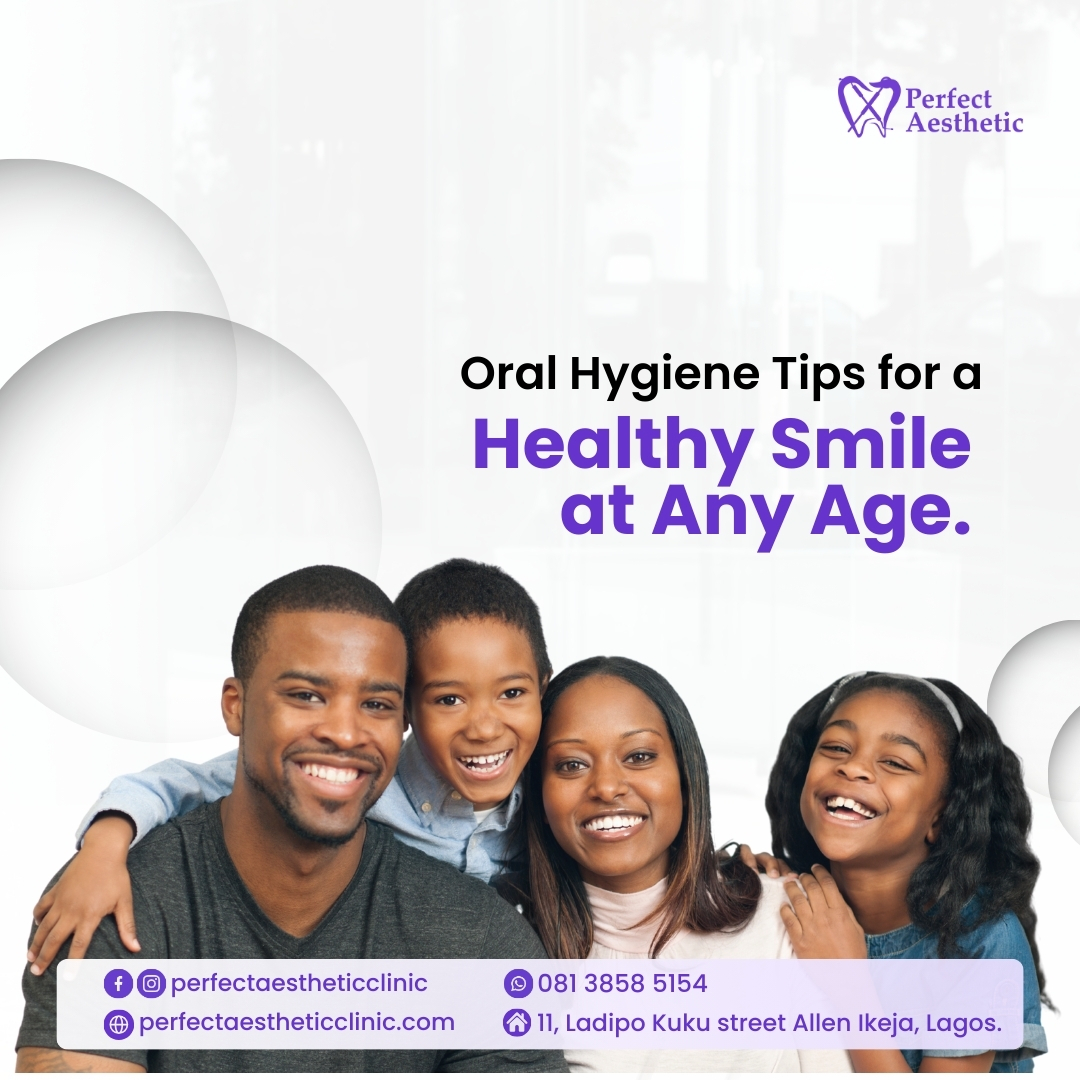
  • Oral Hygiene Tips for a Healthy Smile at Any Age.

    Oral Hygiene Tips for a Healthy Smile at Any Age.

    Good oral hygiene is essential for maintaining a healthy smile and preventing a range of dental issues that can affect your overall health.

    From childhood to old age, proper care of your teeth & gums can help you maintain a bright smile, and reduce the risk of cavities, gum disease, and other dental problems. Whether you are a child, teenager, adult, or senior, caring for your teeth should be a lifelong commitment.


    Here are tips for maintaining oral hygiene at every stage of life, so you can enjoy a healthy smile for years to come:


    Oral Hygiene Tips for Children (Ages 2-12)

    Oral hygiene starts early. Dental care should begin as soon as your child’s first tooth emerges. Early habits lay the foundation for lifelong oral health, and how you care for your child’s teeth as they grow will influence their dental habits as adults.

    Here are some tips for keeping your child’s smile healthy:

    1. Start Early

    • Clean your baby’s gums with a soft cloth or infant toothbrush before their first teeth appear. This will help get them used to oral care.
    • Once the first tooth emerges (usually around six months), begin brushing with a fluoride-free toothpaste designed for infants. Brush gently twice a day.

    2. Introduce Fluoride Toothpaste

    • Once your child turns two, you can switch to fluoride toothpaste but use only a small pea-sized amount.
    • Encourage your child to spit out the toothpaste instead of swallowing it.

    3. Supervise Brushing

    • Until the age of 6 or 7, children lack the dexterity to properly brush their teeth. Make sure they brush twice a day with supervision.
    • Help them brush until they can do it thoroughly on their own.

    4. Teach Proper Brushing Techniques

    • Teach your child to brush for at least two minutes. Use gentle, circular motions to brush all surfaces of the teeth, including the front, back, and chewing surfaces.
    • Don’t forget to brush the tongue gently to remove bacteria.

    5. Flossing Habits

    • Once your child has two teeth that touch, you should start flossing for them. As they grow, teach them how to floss. Flossing removes plaque from between teeth that a toothbrush can’t reach.

    6. Healthy Diet

    • Encourage a balanced diet with limited sugary snacks and drinks. Healthy foods like fruits, vegetables, and whole grains promote strong teeth and healthy gums.
    • Limit sugary snacks and drinks like candy, soda, and juice, as these can lead to cavities.

    7. Regular Dental Visits

    • Schedule your child’s first dental visit by their first birthday, or within six months after their first tooth erupts. Regular dental checkups are crucial for early detection of dental issues like cavities, alignment problems, or gum disease.
    Oral Hygiene Tips for Teens (Ages 13-19)

    Adolescence is an important stage for developing lifelong oral care habits. Teens face unique oral health challenges, including the increased consumption of sugary snacks and drinks, changes in hormones, and orthodontic treatments.

    Here’s how you can maintain a healthy smile during these teenage years:

    1. Brush and Floss Regularly

    • Continue to brush your teeth twice a day with fluoride toothpaste, and don’t forget to floss once a day. Brushing and flossing should be done for at least two minutes, ensuring all surfaces of the teeth are cleaned.
    • Teens should also clean their tongue to eliminate bacteria that cause bad breath.

    2. Orthodontic Care

    • Many teens get braces, which can make brushing and flossing more challenging. It’s essential to brush after every meal, using a soft-bristled toothbrush and fluoride toothpaste.
    • Use an interdental brush or a floss threader to clean between braces and wires. Regular orthodontic visits are necessary for adjustments and monitoring of progress.

    3. Mind the Sugary Snacks

    • Teenagers are often tempted by sugary snacks and sodas, which can lead to cavities and tooth decay. Limit sugary foods and drinks, and make sure to brush after consuming them.
    • Encourage water as the drink of choice to help rinse away food particles and prevent decay.

    4. Mouthguards for Sports

    • If your teen plays contact sports, make sure they wear a mouthguard to protect their teeth from injury. A custom-fit mouthguard is more comfortable and effective than over-the-counter options.

    5. Tobacco and Alcohol Awareness

    • Smoking and drinking alcohol are not only bad for overall health but can negatively impact oral health. Smoking increases the risk of gum disease, oral cancer, and tooth staining.
    • Encourage your teen to avoid tobacco products and limit alcohol consumption to promote healthier teeth and gums.

    6. Regular Dental Visits

    • Regular dental visits should continue every six months. During these visits, the dentist will monitor your teen’s teeth and gums, and check for signs of cavities, gum disease, or tooth alignment problems.


    Oral Hygiene Tips for Adults (Ages 20-64)

    As an adult, you’re responsible for maintaining your oral health and preventing issues that can arise due to neglect or lifestyle choices. The habits you develop now can ensure that your smile remains healthy throughout your adult life.

    Here are some tips for maintaining oral health:

    1. Brush and Floss Twice a Day

    • Brush your teeth at least twice a day with fluoride toothpaste and floss at least once a day to remove plaque from between teeth. Use a soft-bristled toothbrush to avoid damaging the enamel.
    • Be sure to clean the tongue and gums as well to remove bacteria and promote fresh breath.

    2. Mouthwash for Freshness

    • Using a fluoride mouthwash can help reduce plaque buildup, fight bad breath, and strengthen your teeth.
    • An antimicrobial mouthwash can also help fight gum disease by reducing the bacteria in your mouth.

    3. Healthy Diet and Hydration

    • Eating a balanced diet with plenty of fruits, vegetables, and low-fat dairy products will help strengthen your teeth and keep your gums healthy.
    • Drink plenty of water throughout the day to keep your mouth hydrated and rinse away food particles.

    4. Avoid Tobacco Use

    • Smoking and chewing tobacco contribute to gum disease, tooth decay, and oral cancer. Avoid tobacco products to protect your oral and overall health.

    5. Wear a Night Guard if Necessary

    • If you grind your teeth at night (a condition called bruxism), talk to your dentist about wearing a night guard to protect your teeth from wear and tear.

    6. Regular Dental Visits

    • Continue to visit your dentist regularly for checkups and cleanings every six months. Regular visits allow your dentist to detect any potential problems early and prevent serious issues.
    Oral Hygiene Tips for Seniors (Ages 65 and Up)

    As we age, our oral health needs change, and we may experience different challenges such as dry mouth, tooth sensitivity, or gum disease. It’s essential to adjust our oral hygiene routine to maintain a healthy smile.

    Here’s how seniors can care for their teeth and gums:

    1. Brush Gently but Thoroughly

    • As teeth become more sensitive with age, it’s important to use a soft-bristled toothbrush and fluoride toothpaste to avoid irritation while still cleaning effectively.
    • Brush gently along the gumline to remove plaque and prevent gum disease.

    2. Flossing is Still Important

    • Continue to floss once a day to remove food particles and plaque from between your teeth. If traditional flossing is difficult, try using floss picks or a water flosser.

    3. Hydrate and Avoid Dry Mouth

    • Many seniors experience dry mouth, which can increase the risk of cavities and gum disease. Drink plenty of water and use saliva substitutes if necessary.
    • Avoid caffeine and alcohol, which can contribute to dry mouth.

    4. Maintain Dentures or Implants

    • If you wear dentures, clean them thoroughly every day, and make sure they fit properly. Poorly fitted dentures can cause irritation and discomfort.
    • For seniors with dental implants, continue to care for them just as you would natural teeth to ensure their longevity.

    5. Monitor for Gum Disease

    • Gum disease becomes more common as we age. If you notice any signs of gum recession, bleeding gums, or persistent bad breath, see your dentist immediately.

    6. Regular Dental Visits

    • Seniors should continue seeing their dentist regularly for checkups, cleanings, and screenings for oral cancer, as well as to monitor the health of their gums and teeth.


    No matter your age, maintaining good oral hygiene is essential for a healthy and beautiful smile.

    Starting early with good habits and sticking to a consistent oral care routine can help you prevent dental issues and enjoy a lifetime of healthy teeth and gums.

    At Perfect Aesthetic Dental Clinic, we’re dedicated to helping you and your family achieve and maintain optimal oral health at every stage of life. Whether you’re scheduling your child’s first dental visit or you need advanced care as an adult or senior, we’re here to support your smile!

    Don’t wait! Schedule your appointment today and ensure a healthy future for your teeth.
  • 5 Clear Signs You May Need Braces.

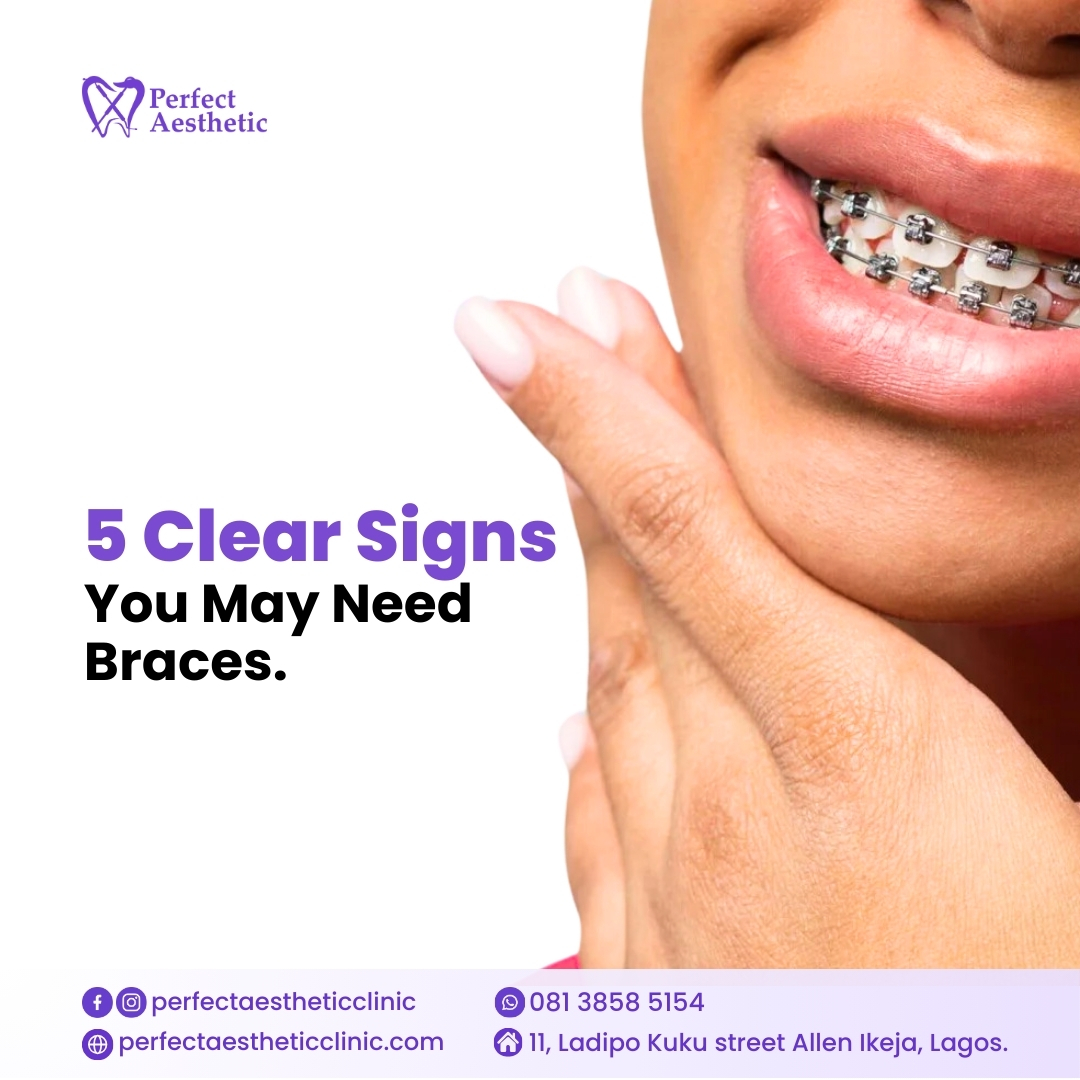
    5 Clear Signs You May Need Braces.

    If you’ve noticed any issues with your teeth or bites, these may be clear signs that you need braces.

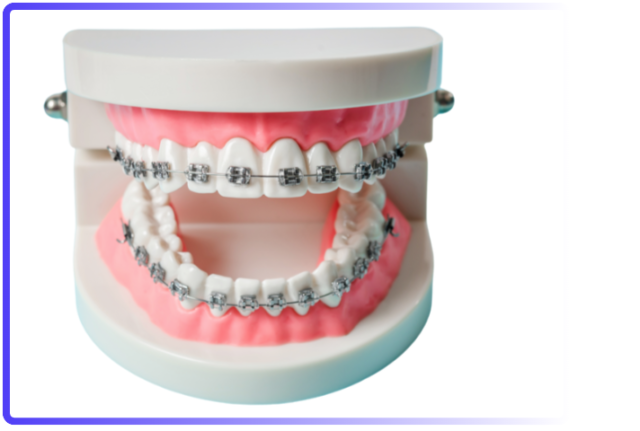
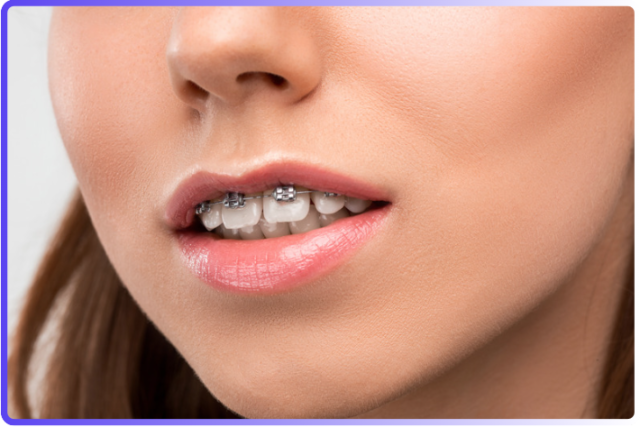
    Braces
    Braces – Perfect Aesthetic Clinic

    Healthy teeth go beyond perfect white teeth. Properly aligned teeth play a crucial role in your oral health, affecting not only aesthetics but also your ability to chew, speak, and maintain good oral hygiene.


    While braces are often associated with childhood and teenage years, orthodontic treatment can benefit people of all ages.

    Here, we’ll explore 5 clear signs that suggest you may need braces and why seeking professional advice is crucial for achieving a straighter, healthier smile.

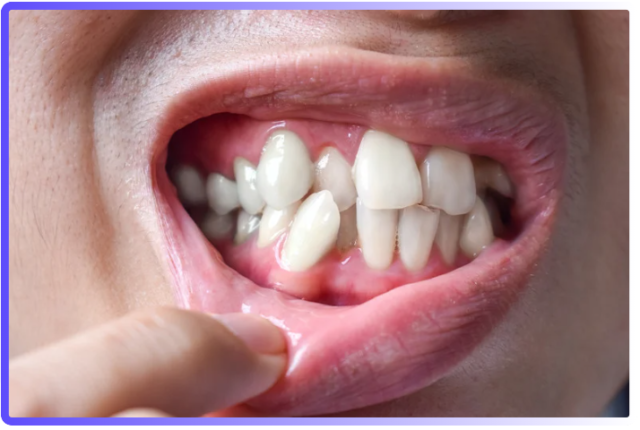
    1. Crowded or misaligned teeth.

    One of the most common indicators of needing braces is having crowded or misaligned teeth. This occurs when there isn’t enough space in your jaw for all your teeth to erupt properly. As a result, teeth can grow in crooked, overlapping, or angled positions.

    Crowded Teeth- Perfect Aesthetic
    Crowded Teeth- Perfect Aesthetic

    Crowded teeth not only affect your smile’s aesthetics but can also create challenges in maintaining good oral hygiene. It can be difficult to properly brush and floss between teeth that are crammed together, leading to plaque buildup, gum disease, and cavities.

    Fortunately, orthodontic treatment with braces can effectively address crowding and misalignment. Braces gently apply pressure over time, gradually shifting your teeth into their optimal positions. This creates a more aesthetically pleasing smile and allows for easier cleaning, promoting better oral health.


    2. Overbite or underbite

    These are terms used to describe the way your upper and lower jaws meet. In a normal bite, your upper front teeth slightly overlap the lower front teeth. However, when the overlap is excessive (overbite) or the lower jaw protrudes further than the upper jaw (underbite), it can be indicative of a misaligned bite.

    Overbite
    Overbite – Perfect Aesthetic Clinic

    Overbites and underbites can be caused by various factors, including genetics, childhood habits like thumb sucking, or jaw development issues. These misalignments can lead to problems with chewing, speech difficulties (lisps), and excessive wear and tear on teeth.

    Braces are a highly effective solution for correcting overbites and underbites. By strategically applying pressure, braces can adjust the position of your teeth and jaws, creating a more balanced and functional bite. This not only improves your smile’s appearance but also alleviates potential chewing and speaking problems, promoting overall oral health.

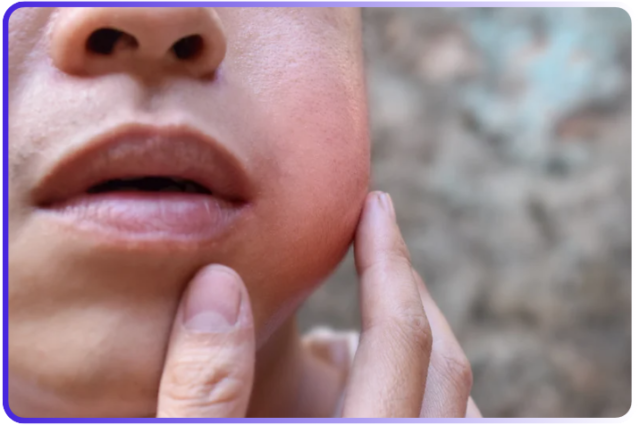
    3. Jaw pain or clicking

    Do you experience frequent jaw pain, tenderness, or a clicking sensation when you open or close your mouth? These symptoms can be a sign of a condition called temporomandibular joint disorder (TMJ). While TMJ can have various causes, misaligned teeth, and an improper bite are often contributing factors.

    Jaw pain or clicking
    Jaw pain or clicking – Perfect Aesthetic Clinic

    When your teeth are misaligned, it can put a strain on the jaw joint and surrounding muscles, leading to pain and dysfunction. Clicking sounds may also occur due to imbalances in the joint’s movement. Early intervention is crucial, as untreated TMJ can cause chronic pain, headaches, and limitations in jaw movement.

    Braces can play a significant role in alleviating TMJ symptoms by correcting the underlying misalignment of your teeth and bite. By strategically positioning your teeth, braces can help rebalance the jaw joint, reducing strain on the muscles and promoting proper function. This can significantly improve jaw pain, clicking sounds, and overall TMJ symptoms.


    4. Difficulty chewing or speaking.

    Beyond aesthetics, misaligned teeth can impact your ability to chew effectively and speak clearly. Chewing requires a coordinated effort between your teeth and jaw. When your teeth are misaligned, it can make it difficult to grind food properly, leading to discomfort or digestive issues.

    Speaking can also be affected by misaligned teeth. Speech impediments like lisps or difficulty pronouncing certain sounds can be a consequence of teeth placement. These challenges can lead to social anxiety and hinder clear communication.

    Braces offer a solution to these functional problems. By straightening your teeth and correcting your bite, braces can improve your ability to chew comfortably and efficiently. Additionally, improved tooth alignment can enhance your speech clarity, allowing you to communicate confidently and without difficulty.


    5. Excessive wear and tear on teeth.

    Over time, misaligned teeth are more susceptible to uneven wear and tear. This is because the pressure of chewing isn’t distributed evenly across the teeth. As a result, some teeth may become excessively worn down, chipped, or cracked. This not only affects aesthetics but also weakens the tooth structure, increasing the risk of fractures and sensitivity.

    Braces can help prevent future damage by correcting the underlying cause of uneven wear. By aligning your teeth properly, braces ensure a more balanced distribution of forces during chewing, protecting your teeth from further wear and tear.

    Additionally, properly aligned teeth are easier to clean and maintain, further protecting them from decay and other dental problems.


    Conclusion:

    Seek professional advice for a better smile and teeth.

    Noticing any of the signs mentioned above doesn’t necessarily mean you need braces. However, it’s crucial to schedule a consultation with an orthodontist, a dental specialist trained in correcting bite problems and tooth alignment.

    An orthodontist will conduct a comprehensive examination, including X-rays and impressions, to determine the cause of your concerns and recommend the most suitable treatment option. For mild to moderate misalignment, traditional braces or clear aligners may be recommended. For more complex cases, other orthodontic appliances or even jaw surgery might be necessary.

    Early orthodontic intervention can be particularly beneficial for growing children and teenagers. By addressing misalignment early on, orthodontists can guide jaw development and prevent future complications. However, orthodontic treatment is not limited to children and teens. Adults can also benefit from braces or clear aligners to achieve a straighter smile and improve their oral health.

    Take the first step towards a healthier smile.

    If you’re concerned about the alignment of your teeth or are experiencing any of the signs discussed above, don’t hesitate to reach out to a qualified orthodontist. Early diagnosis and treatment can make a significant difference in achieving a healthy, beautiful smile that not only looks good but also functions optimally. Contact our clinic today to schedule a consultation and discuss your options for a straighter, healthier smile!

    The specific signs and symptoms you experience may vary depending on the underlying cause of your misalignment.

    Consulting a qualified orthodontist is essential for an accurate diagnosis and personalized treatment plan. Schedule an appointment with us today to get started.

  • 5 Reasons You Might Need Dental Veneers

    5 Reasons You Might Need Dental Veneers

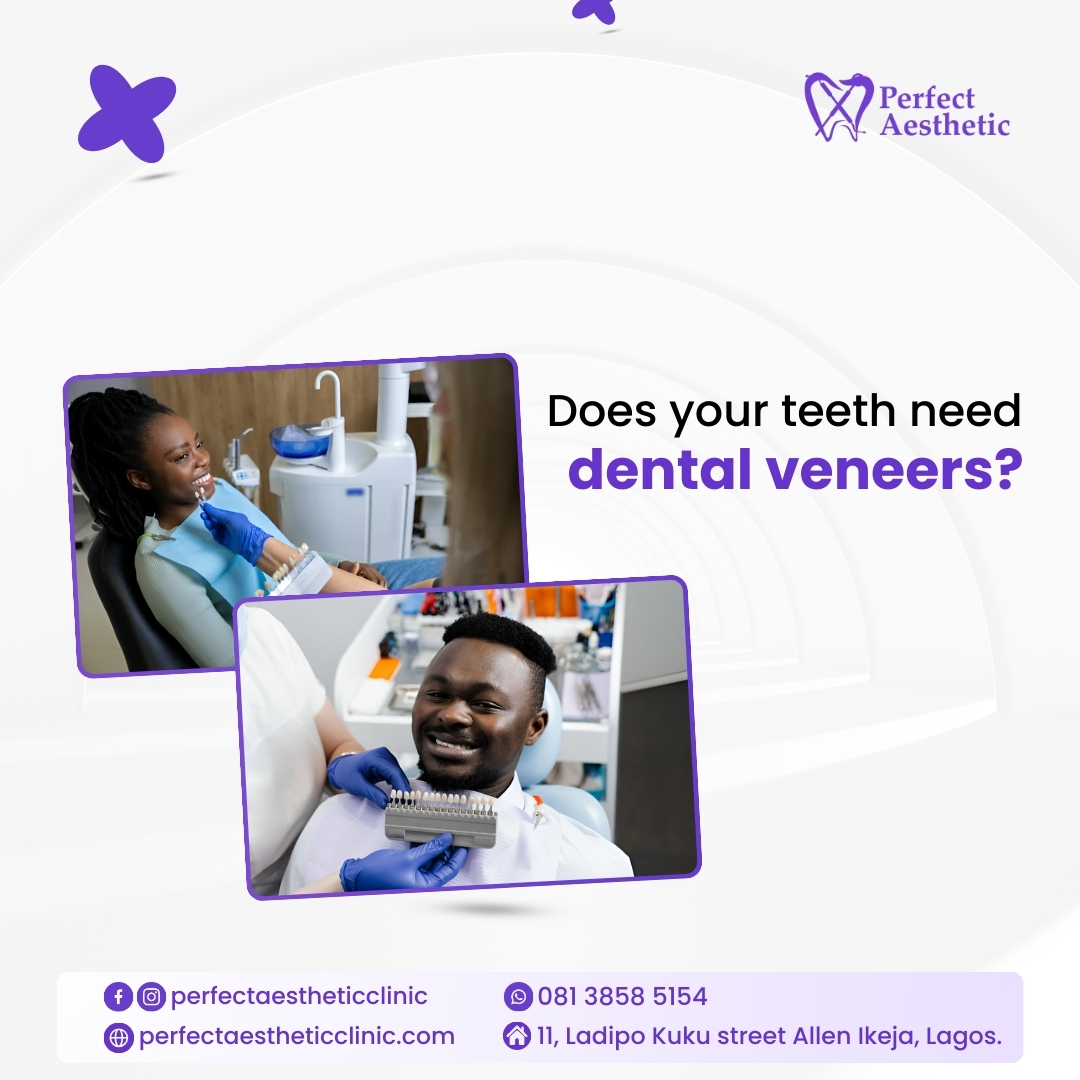
    Your smile is one of your most powerful assets. It lights up a room, conveys confidence, and makes a lasting impression. But what if stubborn stains, minor chips, or uneven teeth stop you from smiling confidently? That’s where dental veneers, particularly extra-white veneers, can be a game-changer.

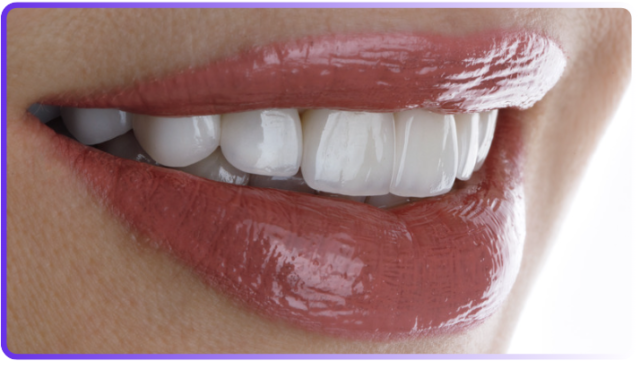
    Dental veneers are thin, custom-made shells of porcelain bonded to the front surfaces of your teeth.

    Dental Veneers
    Dental Veneers – Perfect Aesthetic Clinic

    They offer a durable and aesthetically pleasing solution for many cosmetic dental concerns. But are extra-white veneers right for you?

    Let’s explore five reasons to transform your smile with this treatment.

    1. Even with diligent brushing and flossing, teeth can become discolored. Coffee, tea, red wine, and certain medications are notorious culprits. Traditional teeth whitening treatments can be effective, but some stains prove unshakable.

    Extra-white veneers: These custom-crafted shells are made from high-quality, stain-resistant porcelain.
    They completely mask the underlying tooth, revealing a dazzling white that won’t succumb to everyday wear and tear.

    No more worrying about coffee breaks or indulging in your favorite red wine – your smile will stay perfectly white for years.


    2. Veneers aren’t just about color; they can also address minor imperfections in the shape and size of your teeth. Do you have slightly chipped teeth, uneven gaps, or teeth that appear too small or large? Veneers can be meticulously designed to address these concerns, creating a uniform, balanced smile.

    Here’s the catch, by strategically shaping and whitening the veneers, your dentist can create the illusion of wider, straighter teeth.

    This can be particularly beneficial if you have slightly uneven teeth or a gummy smile. With extra-white veneers, you can achieve a picture-perfect smile that complements your unique facial features and boosts your confidence.


    3. Minor chips or cracks in your teeth can affect your teeth’s aesthetics and leave them vulnerable to further damage. Veneers offer a solution to both concerns. They act as a protective layer, shielding your teeth from further wear and tear while concealing any existing damage.

    This is especially important for chipped front teeth, which are more prone to fractures due to location. Extra-white veneers, made from robust porcelain, provide exceptional strength and durability. They can even reinforce slightly weakened teeth, offering protection against future damage.


    4. Veneers are a significant dental investment but they offer exceptional longevity. Extra-white veneers can last a decade or even longer with proper care, including regular brushing, flossing, and dental checkups.

    This translates to years of a bright and beautiful smile without needing touch-ups.


    5. A dazzling smile has the power to transform your self-esteem. You project a more positive and approachable image when you feel confident in your smile.

    Extra-white veneers can significantly enhance your teeth’s aesthetics, giving you the confidence to smile freely in social and professional settings.

    Studies have shown a clear link between a confident smile and success in both personal and professional spheres.

    By investing in extra-white veneers, you’re not just improving your smile, you’re investing in your overall well-being and potentially opening doors to new opportunities.


    Considering Extra-White veneers? Here’s what to do next

    If you’re interested in getting veneers, it’s important to consult with an experienced cosmetic dentist and discuss your desired outcomes and reservations during your consultation.

    Your dentist will thoroughly examine your teeth and determine if veneers are the right solution. They will also discuss the shade of white that would best complement your complexion and overall look.


    The Consultation Process

    A typical consultation for extra-white veneers will involve:

    • A comprehensive dental exam will allow your dentist to assess the health of your teeth and gums and ensure veneers are a suitable option.
    • Be open and honest about your desired outcome. Share pictures of smiles you find aesthetically pleasing.
    • Digital X-rays and impressions will be used to create a precise mold of your teeth, necessary for crafting custom-made veneers.
    • Your dentist will help you choose the ideal shade of white for your veneers, considering your natural teeth color, complexion, and desired brightness.


    Extra-white veneers offer a transformative solution for achieving a dazzling, picture-perfect smile. While the initial investment might seem significant, the long-term benefits are undeniable. Veneers are a durable, low-maintenance way to enjoy a brighter, more confident smile for years.


    Here are some additional factors to consider when making your decision:
    • Minimal tooth removal: Unlike crowns, which require significant tooth reduction, veneers typically only require removing a minimal amount of enamel. This helps preserve the health of your underlying tooth structure.
    • Improved oral health: Veneers can sometimes cover up minor gum recession, protecting exposed tooth roots and potentially improving gum health.
    • Natural appearance: Modern dental technology allows for the creation of veneers that mimic the natural translucency and texture of teeth, ensuring a seamlessly beautiful result.
    • Painless procedure: While some minor discomfort is possible, most patients report minimal pain during the veneer application process. Your dentist will discuss anesthesia options to ensure your comfort throughout the procedure.


    How to care for your extra-white veneers.

    Maintaining good oral hygiene is crucial for maximizing the lifespan of your veneers.

    Here are some essential tips:

    • Brushing and Flossing: Brush your teeth twice daily and floss once a day, using a non-abrasive toothpaste.
    • Avoid staining foods and drinks: Limit your intake of coffee, tea, red wine, and other stain-causing substances.
    • Don’t use your teeth as a tool: Avoid using your teeth to open bottles, chew on hard objects, or bite your nails.
    • Regular dental checkups: Schedule regular dental checkups and cleanings to ensure your oral health remains optimal and your veneers stay in top condition.

    Investing in extra-white veneers is an investment in yourself. A confident smile can enhance your self-esteem, improve your social interactions, and even positively impact your professional life. By taking the first step towards a consultation with a qualified dentist, you can show up confident.

    Don’t wait any longer to embrace the smile you’ve always dreamed of.

    Schedule a consultation with us today to discuss how extra-white veneers can transform your smile. With their exceptional durability, stain resistance, and ability to address minor imperfections, extra-white veneers offer a life-changing solution for achieving a radiant, confidence-boosting smile.

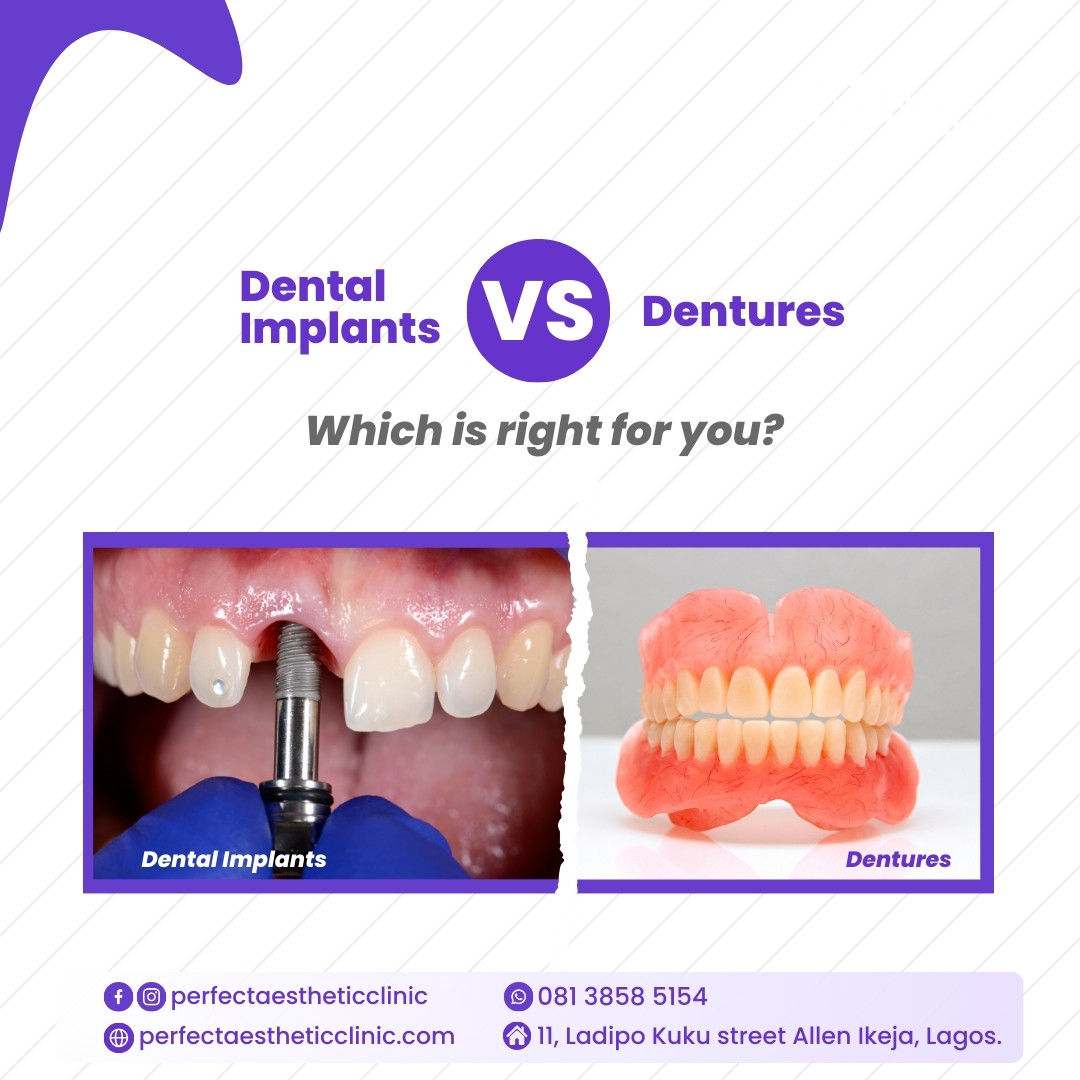
  • Dental Implants vs. Dentures: Which is Right for You?

    Dental Implants vs. Dentures: Which is Right for You?

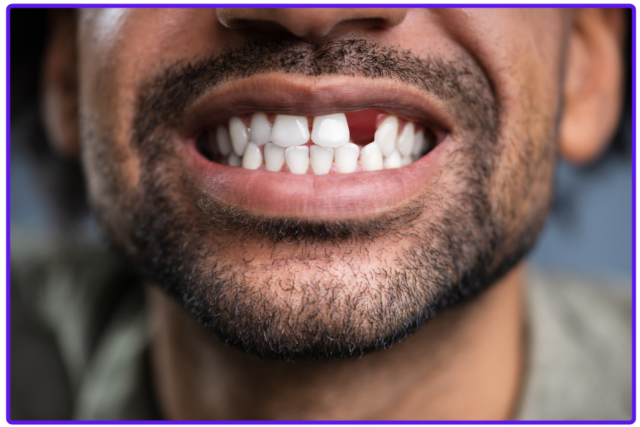
    Missing teeth can be a significant concern, impacting your smile’s aesthetics and your ability to eat, speak, and chew comfortably. Fortunately, dental clinics offer two excellent solutions for replacing missing teeth: dental implants and dentures.

    Missing teeth - Perfect Aesthetic Clinic
    Missing teeth – Perfect Aesthetic Clinic

    While dentures and implants can restore your tooth, they differ significantly in function, feel, and longevity.

    This post delves into the key differences between dental implants and dentures, helping you understand which option might be the best for you.

    Ultimately, the ideal choice depends on your circumstances, budget, and desired outcome. However, we’ll explore the advantages of dental implants, making a strong case for implants as a superior solution for a lasting, natural-looking smile.

    What are dentures?

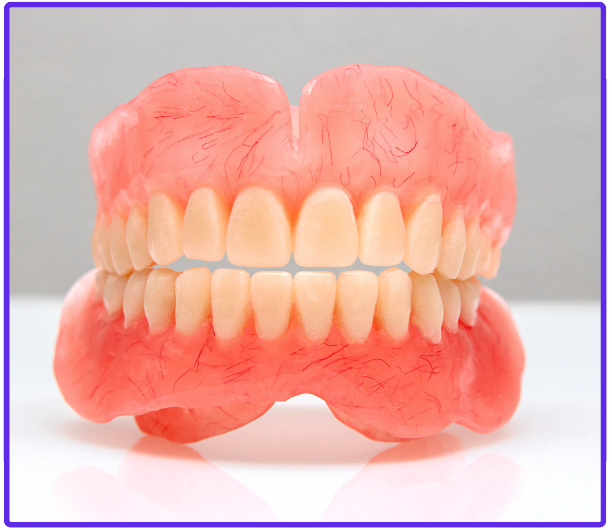
    Dentures are removable replacements for missing teeth, crafted from acrylic resin or a combination of acrylic and metal.

    Dental Implants vs. Dentures: Which is Right for You?
    Dentures – Prefect Aesthetic Clinic
    They come in two primary forms:

    1. Full dentures replace all teeth in either the upper or lower jaw, or both.

    2. Partial dentures: These are used when some natural teeth remain. They fill in the gaps created by missing teeth, attaching to the remaining natural teeth with clasps or metal frameworks.


    Some benefits of dentures include:

    1. Cost-effective: Dentures are generally a more affordable option upfront compared to dental implants.
    2. Quick procedure: Getting fitted for dentures is typically faster than dental implants.

    3. Suitable for some jawbone conditions: Dentures can be a good option for individuals with compromised jawbone health.


    Challenges associated with dentures are:

    1. Dentures can slip or become loose, especially over time, causing discomfort and slurred speech during eating or speaking.

    2. Dentures don’t stimulate the jawbone like natural teeth, leading to bone loss over time, further impacting denture fit.

    3. Dentures require regular cleaning and soaking in solutions to prevent bacterial growth and maintain hygiene.

    4. Dentures may not allow you to bite or chew with the same force as natural teeth, potentially limiting your dietary choices.


    Why are dental implants a more permanent solution?

    Dental implants are considered the gold standard for tooth replacement, offering a more natural look, feel, and function than dentures.

    Dental Implants vs. Dentures: Which is Right for You?
    Dental Implants – Perfect Aesthetic Clinic

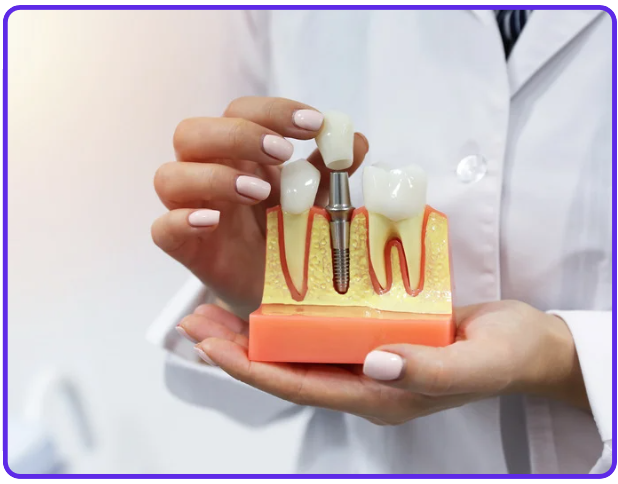
    Implants are small titanium posts surgically placed into the jawbone, acting as anchors for artificial teeth. These teeth, called crowns, are custom-designed to match your surrounding teeth in size, shape, and colour.


    Some benefits of dental implants for your teeth replacement include:

    1. Dental implants fuse with the jawbone, mimicking the function of natural teeth. This provides a stable, secure fit and allows for natural biting and chewing.

    2. With proper care, dental implants can last a lifetime, eliminating the need for replacements frequently required with dentures.

    3. Implants stimulate the jawbone, preventing bone loss and promoting long-term oral health.

    4. A secure, natural-looking tooth can significantly boost your confidence and self-esteem.

    5. Dental implants allow you to enjoy a wider range of foods without worrying about limitations often associated with dentures.


    What you should know before considering dental implants.

    1. Cost: Dental implants are typically a more significant upfront investment than dentures.

    However, considering their longevity and reduced need for replacements, they are a cost-effective option in the long run.

    2. Procedure: Dental implant placement is a surgical procedure requiring a longer treatment time than dentures.

    Modern dental techniques and anesthesia ensure a comfortable experience.

    3. Eligibility: Dental implant placement requires sufficient healthy jawbone density to support the implants.

    In some cases, bone grafting procedures might be necessary before implant placement.


    Expert dentist opinion and consideration:

    Ultimately, the best choice between dentures and dental implants depends on your needs, budget, and oral health.

    A qualified dentist should assess your teeth, discuss your goals for tooth replacement, and recommend the best option for you.

    They should address any concerns you have about dental implant surgery and aftercare.

    The advantages of dental implants for your tooth.

    While dentures and implants can restore your smile, dental implants offer several advantages that make them a better choice for many people.


    Here’s a recap of the key benefits:

    • Dental implants provide a secure, comfortable fit that eliminates the worry of slipping or clicking commonly associated with dentures.

    • Implants function similarly to natural teeth, allowing you to enjoy a wider variety of foods without limitations.

    • Implants stimulate the jawbone, preventing bone loss and maintaining long-term oral health.

    • Dentures can sometimes affect speech due to slipping or loose fit. Implants provide a stable base for speaking clearly and confidently.

    • Implants look and feel natural, seamlessly integrating with your surrounding teeth for a beautiful smile.

    • With proper care, dental implants can last a lifetime, eliminating the need for replacements frequently required with dentures.

    • A secure and natural-looking smile can significantly boost your confidence and self-esteem in social and professional settings.


    If you are considering dental implants, there are some lifestyle changes you might want to make:

    1. Good overall health is essential for surgery, including dental implants.

    2. Smoking can impede healing and increase the risk of implant failure.

    Pro tip: Quit smoking before and after surgery. [highly recommended.]

    3. Maintaining good oral hygiene is crucial for the long-term success of dental implants.

    Brushing, flossing, and regular dental checkups are essential.


    Why dental implants are worth it.

    While the initial cost of dental implants might seem higher than dentures, their numerous advantages make them a worthwhile investment.

    Implants offer a long-lasting solution that promotes oral health, improves function, and enhances your smile’s aesthetics and confidence.

    Here’s a final point to consider:

    Cost vs. value: Dentures are a budget-friendly option upfront. However, consider the ongoing costs of replacements and potential adjustments over time.

    While initially more expensive, dental implants offer a long-term solution with minimal future costs.

    Lastly, you need a qualified dentist to replace missing teeth with dental implants.

    They can assess your individual needs, discuss treatment options, and answer any questions you might have.

    With dental implants, you can invest in healthy, beautiful teeth that feel natural and lasts a lifetime.

    Schedule an appointment with us today to discuss your individual needs and explore the best dental procedures for a healthy, confident smile!

  • Top 5 dental procedures & their benefits

    Top 5 dental procedures & their benefits

    Your smile is your gateway to the world and different dental procedures can create that gateway for you.

    • A good smile conveys confidence, warmth, and overall well-being.
    • A healthy smile goes beyond aesthetics.
    • Proper oral hygiene plays a vital role in your overall health and well-being.
    • Regular dental visits and preventive care are crucial for maintaining a healthy mouth and preventing future dental problems.
    There are different procedures to address your unique dental needs.

    From routine cleanings, extra white veneers, dental implants, fast braces, clear aligners, tooth removal, scaling and polishing, teeth whitening, teeth cleaning, and composite teeth filling/buildup and routine check-ups are committed to helping you achieve and maintain optimal oral health.

    In this post, we’ll explore the top 5 dental procedures and how they can benefit you:


    1. Dental cleaning and checkups are a good foundation for oral health.

    Think of dental cleaning and checkups as the cornerstone of good oral health. This routine procedure typically recommended every 6 months, is vital in preventing gum disease, detecting cavities early on, and ensuring your overall oral health stays on track.

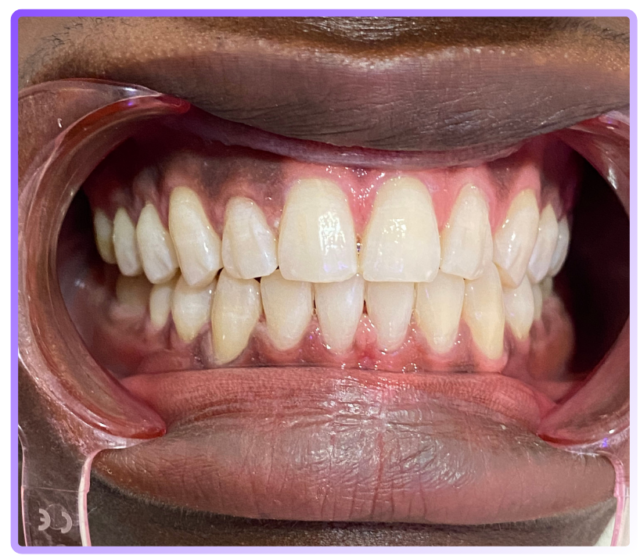
    Dental Routine Check Up
    Dental Routine Check-Up – Perfect Aesthetic

    During a cleaning, your hygienist will thoroughly remove plaque and tartar buildup from your teeth. Plaque is a sticky film that harbors bacteria, while tartar is a hardened plaque that necessitates professional removal. This cleaning helps prevent gum inflammation (gingivitis) and gum disease (periodontitis), which can lead to serious health problems if left untreated.

    Your dental checkup involves a comprehensive examination of your teeth and gums. The dentist will assess your gum health, check for cavities and other issues, and screen for oral cancer. Early detection is key to effective treatment, making these regular checkups invaluable.


    2. Teeth Whitening for a brighter, more confident smile.

    A gleaming smile can boost your confidence and make you feel your best. Teeth whitening is a popular cosmetic procedure that can brighten your smile by several shades.

    Teeth Whitening - Perfect Aesthetic
    Teeth Whitening – Perfect Aesthetic

    We offer different teeth whitening options to suit your needs and preferences. In-office whitening treatments provide dramatic results in a single visit. Our professional-grade whitening agents are applied by your dentist, ensuring safety and effectiveness.

    For those who prefer a gradual approach, at-home whitening kits are available. These kits come with customized trays and whitening gel. While results take longer than in-office treatments, they offer a convenient option for on-the-go whitening.

    It’s important to understand that teeth whitening results will vary depending on your situation and the severity of staining. While professional whitening offers long-lasting results, they can fade over time with certain foods and beverages. Your dentist can discuss the best whitening option for you and advise on maintaining your brighter smile.


    3. Dental Fillings to restore your teeth functionality.

    Cavities, cracks, and worn-down teeth are common dental issues that require timely intervention. Dental fillings effectively restore the health and functionality of your teeth. They prevent further decay and promote a healthy mouth.

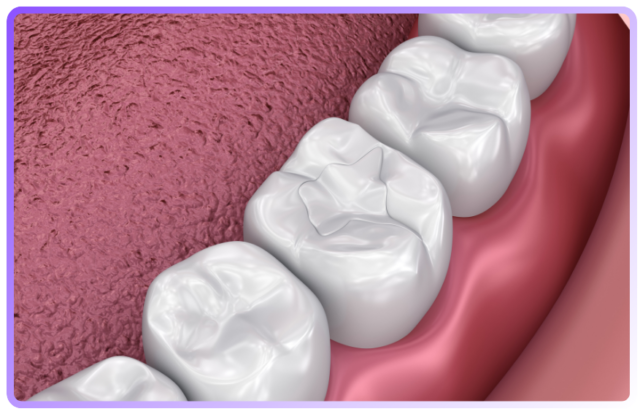
    Dental Filling - Perfect Aesthetic
    Dental Filling – Perfect Aesthetic

    Modern dental fillings come in various materials, each with its advantages. Composite resin fillings are popular for their natural-looking appearance, as they can be colour-matched to your existing teeth. They are also suitable for smaller cavities. Amalgam fillings, traditionally made of silver, are known for their durability and are often used for larger cavities or areas with high chewing pressure.

    Getting a filling is a relatively painless procedure. Your dentist will numb the area and remove any decay before placing the filling material. The entire process is typically completed in one appointment, allowing you to regain normal function and prevent further damage to your tooth.


    4. Dental crowns to strengthen your damaged teeth.

    Sometimes, a tooth may be too damaged for a simple filling. This could be due to extensive decay, cracks, root canal treatment, or significant wear and tear. In such cases, a dental crown is the ideal solution.

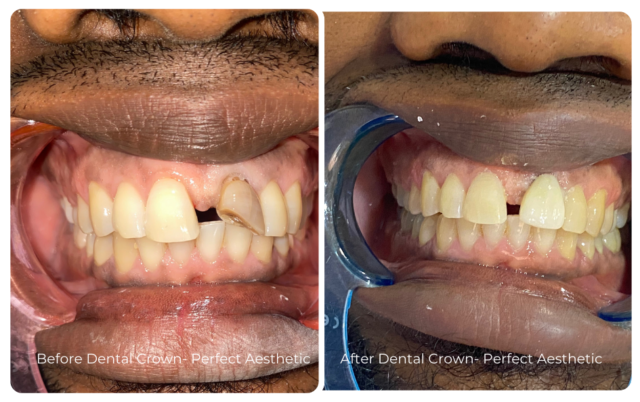
    Dental Crown - Perfect Aesthetic Clinic
    Dental Crown – Perfect Aesthetic Clinic

    A dental crown is a cap that is custom-made to fit over the remaining tooth structure. Crowns provide strength, stability, and improved aesthetics. They are typically made of porcelain or ceramic materials, allowing them to blend seamlessly with your surrounding teeth.

    The crown placement process usually involves two appointments. During the first visit, your dentist will prepare the tooth for the crown and take an impression to create the custom restoration. A temporary crown will be placed to protect the tooth until the permanent crown is ready. On the second visit, the permanent crown is carefully cemented onto your tooth, restoring its form, function, and appearance.


    5. A Dental implant is a long-lasting solution for missing teeth.

    Missing teeth can impact not only your smile but also your ability to chew and speak properly. Dental implants offer a revolutionary solution for replacing missing teeth and restoring a complete, functional smile.

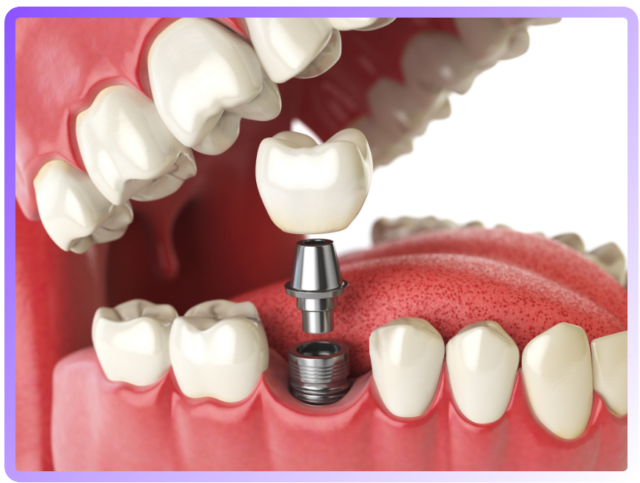
    Dental implant - Perfect Aesthetic
    Dental implant – Perfect Aesthetic

    A dental implant is a small titanium post surgically placed into your jawbone. This post acts as an artificial tooth root, providing a strong foundation for a replacement tooth. The replacement tooth can be a crown, bridge, or denture, depending on your needs.

    Dental implants offer several advantages over I apologize for cutting the previous section short. Here’s the continuation about dental implants:

    Dental implants offer several advantages over traditional bridges and dentures:

    1. Durability: Implants are surgically fused with the jawbone, mimicking the natural root structure. This provides exceptional long-term stability and functionality, potentially lasting a lifetime with proper care.

    2. Natural Feel and Appearance: Dental implants feel and function very similarly to natural teeth. This allows for natural biting, chewing, and speaking without discomfort. Additionally, crowns attached to implants are designed to look natural, seamlessly integrating with your surrounding teeth.

    3. Improved Oral Health: Unlike traditional bridges that require modification of healthy teeth, implants stand alone. This eliminates the risk of damaging healthy teeth and promotes overall oral health.

    4. Jawbone Health: Dental implants stimulate the jawbone, preventing bone loss that can occur with missing teeth. This helps maintain facial structure and prevents a sunken-in appearance.

    5. The implant placement process typically involves multiple stages, including an initial consultation, surgery, and healing period, followed by placement of the crown or restoration. While it requires more planning and time compared to other procedures, the long-lasting benefits and improved quality of life make dental implants a worthwhile investment for many patients.

    Conclusion

    Maintaining a healthy smile requires a combination of good oral hygiene habits and regular dental visits. The top 5 procedures discussed above – cleanings and checkups, teeth whitening, fillings, crowns, and implants – all play a crucial role in achieving and maintaining optimal oral health.

    Whether you’re looking for preventive care, a brighter smile, restoration of damaged teeth, or a solution for missing teeth, our dental clinic is here to help you achieve your goals.

    Schedule an appointment with us today to discuss your individual needs and explore the best dental procedures for a healthy, confident smile!