Category: Dental health

  • Oral Hygiene Tips for a Healthy Smile at Any Age.

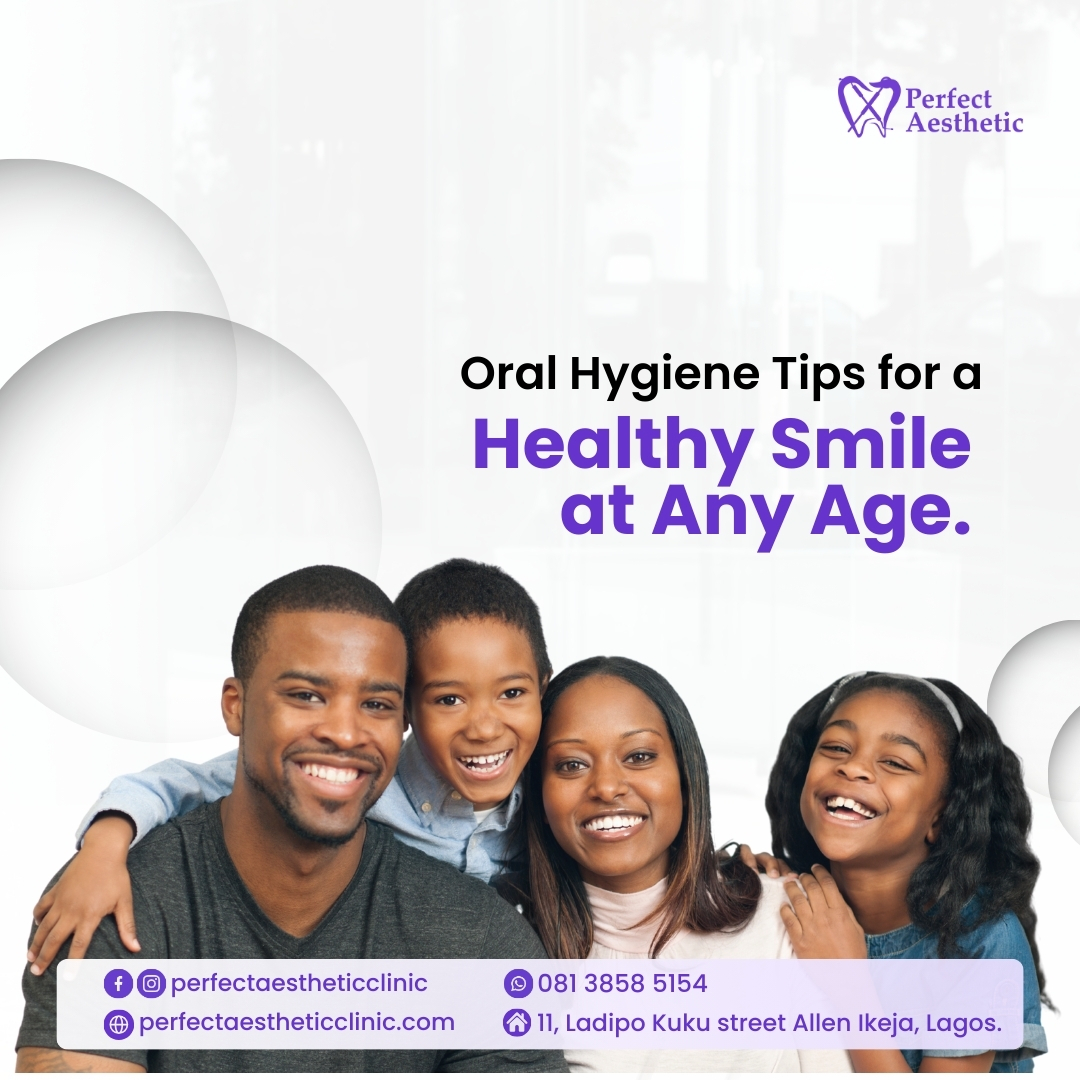
    Oral Hygiene Tips for a Healthy Smile at Any Age.

    Good oral hygiene is essential for maintaining a healthy smile and preventing a range of dental issues that can affect your overall health.

    From childhood to old age, proper care of your teeth & gums can help you maintain a bright smile, and reduce the risk of cavities, gum disease, and other dental problems. Whether you are a child, teenager, adult, or senior, caring for your teeth should be a lifelong commitment.


    Here are tips for maintaining oral hygiene at every stage of life, so you can enjoy a healthy smile for years to come:


    Oral Hygiene Tips for Children (Ages 2-12)

    Oral hygiene starts early. Dental care should begin as soon as your child’s first tooth emerges. Early habits lay the foundation for lifelong oral health, and how you care for your child’s teeth as they grow will influence their dental habits as adults.

    Here are some tips for keeping your child’s smile healthy:

    1. Start Early

    • Clean your baby’s gums with a soft cloth or infant toothbrush before their first teeth appear. This will help get them used to oral care.
    • Once the first tooth emerges (usually around six months), begin brushing with a fluoride-free toothpaste designed for infants. Brush gently twice a day.

    2. Introduce Fluoride Toothpaste

    • Once your child turns two, you can switch to fluoride toothpaste but use only a small pea-sized amount.
    • Encourage your child to spit out the toothpaste instead of swallowing it.

    3. Supervise Brushing

    • Until the age of 6 or 7, children lack the dexterity to properly brush their teeth. Make sure they brush twice a day with supervision.
    • Help them brush until they can do it thoroughly on their own.

    4. Teach Proper Brushing Techniques

    • Teach your child to brush for at least two minutes. Use gentle, circular motions to brush all surfaces of the teeth, including the front, back, and chewing surfaces.
    • Don’t forget to brush the tongue gently to remove bacteria.

    5. Flossing Habits

    • Once your child has two teeth that touch, you should start flossing for them. As they grow, teach them how to floss. Flossing removes plaque from between teeth that a toothbrush can’t reach.

    6. Healthy Diet

    • Encourage a balanced diet with limited sugary snacks and drinks. Healthy foods like fruits, vegetables, and whole grains promote strong teeth and healthy gums.
    • Limit sugary snacks and drinks like candy, soda, and juice, as these can lead to cavities.

    7. Regular Dental Visits

    • Schedule your child’s first dental visit by their first birthday, or within six months after their first tooth erupts. Regular dental checkups are crucial for early detection of dental issues like cavities, alignment problems, or gum disease.
    Oral Hygiene Tips for Teens (Ages 13-19)

    Adolescence is an important stage for developing lifelong oral care habits. Teens face unique oral health challenges, including the increased consumption of sugary snacks and drinks, changes in hormones, and orthodontic treatments.

    Here’s how you can maintain a healthy smile during these teenage years:

    1. Brush and Floss Regularly

    • Continue to brush your teeth twice a day with fluoride toothpaste, and don’t forget to floss once a day. Brushing and flossing should be done for at least two minutes, ensuring all surfaces of the teeth are cleaned.
    • Teens should also clean their tongue to eliminate bacteria that cause bad breath.

    2. Orthodontic Care

    • Many teens get braces, which can make brushing and flossing more challenging. It’s essential to brush after every meal, using a soft-bristled toothbrush and fluoride toothpaste.
    • Use an interdental brush or a floss threader to clean between braces and wires. Regular orthodontic visits are necessary for adjustments and monitoring of progress.

    3. Mind the Sugary Snacks

    • Teenagers are often tempted by sugary snacks and sodas, which can lead to cavities and tooth decay. Limit sugary foods and drinks, and make sure to brush after consuming them.
    • Encourage water as the drink of choice to help rinse away food particles and prevent decay.

    4. Mouthguards for Sports

    • If your teen plays contact sports, make sure they wear a mouthguard to protect their teeth from injury. A custom-fit mouthguard is more comfortable and effective than over-the-counter options.

    5. Tobacco and Alcohol Awareness

    • Smoking and drinking alcohol are not only bad for overall health but can negatively impact oral health. Smoking increases the risk of gum disease, oral cancer, and tooth staining.
    • Encourage your teen to avoid tobacco products and limit alcohol consumption to promote healthier teeth and gums.

    6. Regular Dental Visits

    • Regular dental visits should continue every six months. During these visits, the dentist will monitor your teen’s teeth and gums, and check for signs of cavities, gum disease, or tooth alignment problems.


    Oral Hygiene Tips for Adults (Ages 20-64)

    As an adult, you’re responsible for maintaining your oral health and preventing issues that can arise due to neglect or lifestyle choices. The habits you develop now can ensure that your smile remains healthy throughout your adult life.

    Here are some tips for maintaining oral health:

    1. Brush and Floss Twice a Day

    • Brush your teeth at least twice a day with fluoride toothpaste and floss at least once a day to remove plaque from between teeth. Use a soft-bristled toothbrush to avoid damaging the enamel.
    • Be sure to clean the tongue and gums as well to remove bacteria and promote fresh breath.

    2. Mouthwash for Freshness

    • Using a fluoride mouthwash can help reduce plaque buildup, fight bad breath, and strengthen your teeth.
    • An antimicrobial mouthwash can also help fight gum disease by reducing the bacteria in your mouth.

    3. Healthy Diet and Hydration

    • Eating a balanced diet with plenty of fruits, vegetables, and low-fat dairy products will help strengthen your teeth and keep your gums healthy.
    • Drink plenty of water throughout the day to keep your mouth hydrated and rinse away food particles.

    4. Avoid Tobacco Use

    • Smoking and chewing tobacco contribute to gum disease, tooth decay, and oral cancer. Avoid tobacco products to protect your oral and overall health.

    5. Wear a Night Guard if Necessary

    • If you grind your teeth at night (a condition called bruxism), talk to your dentist about wearing a night guard to protect your teeth from wear and tear.

    6. Regular Dental Visits

    • Continue to visit your dentist regularly for checkups and cleanings every six months. Regular visits allow your dentist to detect any potential problems early and prevent serious issues.
    Oral Hygiene Tips for Seniors (Ages 65 and Up)

    As we age, our oral health needs change, and we may experience different challenges such as dry mouth, tooth sensitivity, or gum disease. It’s essential to adjust our oral hygiene routine to maintain a healthy smile.

    Here’s how seniors can care for their teeth and gums:

    1. Brush Gently but Thoroughly

    • As teeth become more sensitive with age, it’s important to use a soft-bristled toothbrush and fluoride toothpaste to avoid irritation while still cleaning effectively.
    • Brush gently along the gumline to remove plaque and prevent gum disease.

    2. Flossing is Still Important

    • Continue to floss once a day to remove food particles and plaque from between your teeth. If traditional flossing is difficult, try using floss picks or a water flosser.

    3. Hydrate and Avoid Dry Mouth

    • Many seniors experience dry mouth, which can increase the risk of cavities and gum disease. Drink plenty of water and use saliva substitutes if necessary.
    • Avoid caffeine and alcohol, which can contribute to dry mouth.

    4. Maintain Dentures or Implants

    • If you wear dentures, clean them thoroughly every day, and make sure they fit properly. Poorly fitted dentures can cause irritation and discomfort.
    • For seniors with dental implants, continue to care for them just as you would natural teeth to ensure their longevity.

    5. Monitor for Gum Disease

    • Gum disease becomes more common as we age. If you notice any signs of gum recession, bleeding gums, or persistent bad breath, see your dentist immediately.

    6. Regular Dental Visits

    • Seniors should continue seeing their dentist regularly for checkups, cleanings, and screenings for oral cancer, as well as to monitor the health of their gums and teeth.


    No matter your age, maintaining good oral hygiene is essential for a healthy and beautiful smile.

    Starting early with good habits and sticking to a consistent oral care routine can help you prevent dental issues and enjoy a lifetime of healthy teeth and gums.

    At Perfect Aesthetic Dental Clinic, we’re dedicated to helping you and your family achieve and maintain optimal oral health at every stage of life. Whether you’re scheduling your child’s first dental visit or you need advanced care as an adult or senior, we’re here to support your smile!

    Don’t wait! Schedule your appointment today and ensure a healthy future for your teeth.
  • Overcoming Dental Anxiety: How to Make Your Visit to the Dentist Stress-Free

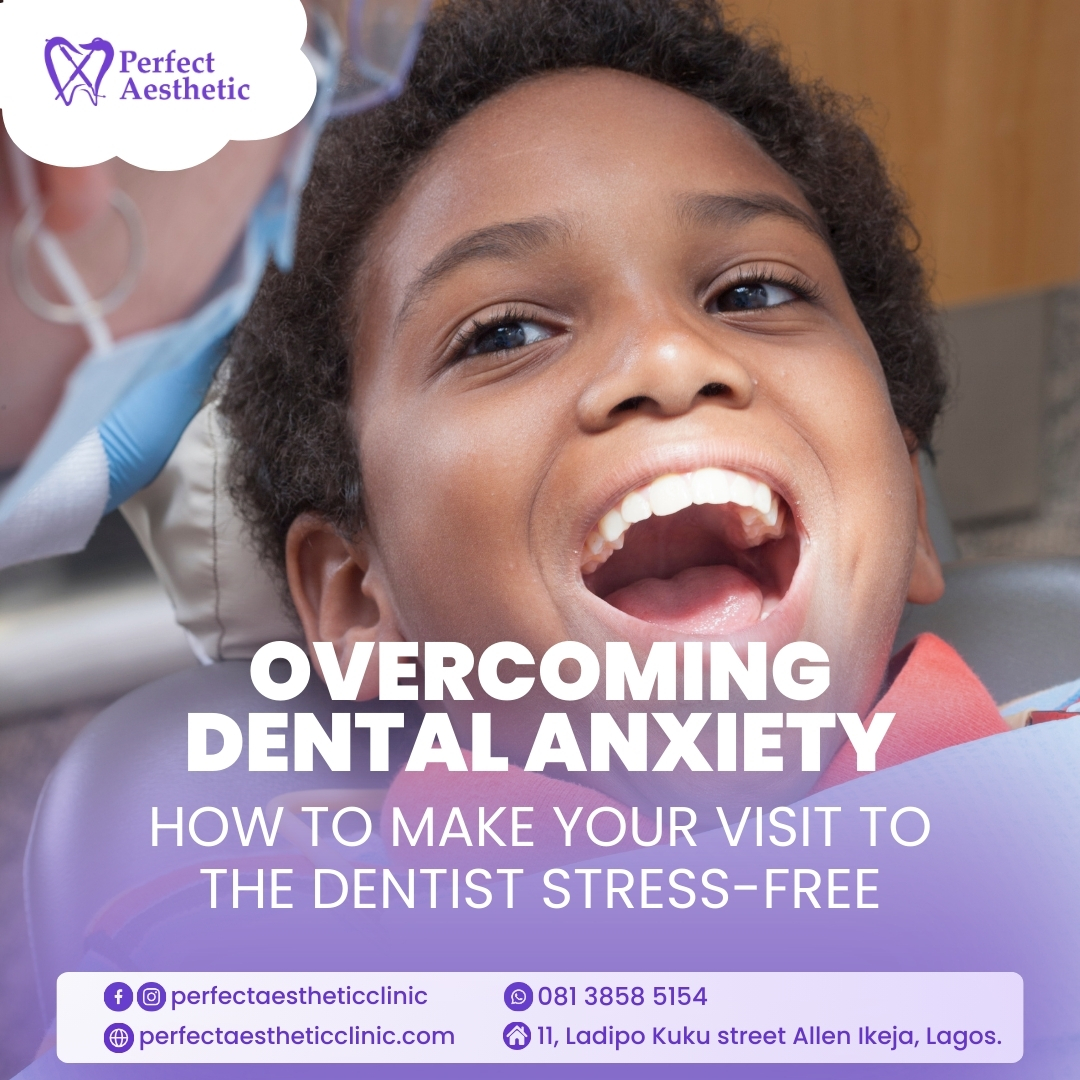
    Overcoming Dental Anxiety: How to Make Your Visit to the Dentist Stress-Free

    For many people, the thought of visiting a dental clinic can spark feelings of dread and anxiety.

    The fear of needles, drills, or even the general discomfort of a dental visit can be enough to keep some from making those all-important appointments.

    Dental anxiety is a common experience, affecting millions worldwide, but it doesn’t have to prevent you from taking care of your oral health. With the right support and a compassionate approach, dental visits can become manageable—even stress-free.

    At Perfect Aesthetic Clinic, we understand the fears and concerns that come with dental anxiety, and we’re here to help. Our focus is on providing a comfortable, gentle, and welcoming experience that puts your mind at ease. In this blog, we’ll explore the causes of dental anxiety, how it affects oral health, and the ways we help our patients feel calm and confident in the dental chair.

    Understanding Dental Anxiety

    Dental anxiety can range from mild nervousness to severe fear, sometimes leading to dental phobia—a more intense form of anxiety that prevents people from visiting the dentist at all. Some common causes of dental anxiety include:

    • Fear of Pain: Previous experiences with painful dental procedures can make patients fearful of any discomfort, even if modern dental technology has reduced this significantly.
    • Needle Phobia: Fear of needles or injections can make certain procedures feel intimidating, even if numbing agents are used to prevent pain.
    • Loss of Control: Being in a reclining chair and unable to see what’s happening can create a sense of vulnerability for some.
    • Embarrassment or Self-Consciousness: People who haven’t been to the dentist in a while or who have visible oral issues may feel embarrassed about the state of their teeth.
    • Negative Past Experiences: A previous negative encounter with a dentist can leave a lasting impression, contributing to future dental anxiety.

    Fortunately, there are steps you can take—and that we provide at Perfect Aesthetic Clinic—to help you overcome these anxieties and experience dental care in a new, positive light.

    The Impact of Dental Anxiety on Oral Health

    Skipping regular dental appointments due to anxiety can lead to a cascade of oral health issues, including:

    • Untreated Cavities: Cavities that go unchecked can worsen over time, leading to more invasive and costly treatments.
    • Gum Disease: Ignoring oral health can contribute to gum disease, a condition that can cause discomfort, swelling, and even tooth loss if left untreated.
    • Tooth Decay and Loss: Untreated decay can lead to tooth loss, affecting both appearance and functionality.
    • Overall Health Risks: Poor oral health has been linked to conditions such as heart disease, diabetes, and respiratory infections, making regular dental care a critical part of general health.

    The good news? With regular check-ups, these issues can be detected and treated early, often with simpler, less invasive techniques. And with the right dental care team, even the most anxious patients can find comfort in keeping up with their oral health.

    How Perfect Aesthetic Clinic Helps You Overcome Dental Anxiety

    At Perfect Aesthetic Clinic, we are committed to helping patients of all ages manage their dental anxiety through a combination of empathy, expertise, and modern technology. Here’s how we help make each visit as comfortable as possible:

    1. Friendly and Understanding Staff

    From the moment you step through our doors, our team is dedicated to making you feel at ease. We know that a friendly face and a warm welcome can make a world of difference in helping you relax. Our staff members are trained to listen to your concerns without judgment and answer any questions you may have.

    We also take the time to discuss your dental history, what has caused anxiety in the past, and any particular fears or worries. This allows us to tailor our approach and provide a level of comfort that reassures you throughout your visit.

    2. Painless Techniques and Modern Technology

    Modern dental technology has come a long way in reducing discomfort, and at Perfect Aesthetic Clinic, we’re committed to using the best tools and techniques available. Here are some of the ways we minimize discomfort:

    • Anesthesia and Numbing Gels: For those nervous about needles, we use topical numbing gels that make injections nearly painless. Our goal is to ensure that you’re as comfortable as possible, even during more complex procedures.
    • Minimally Invasive Techniques: We use technology like laser treatments and air abrasion to handle certain treatments without the need for traditional drills, making for a quieter, more comfortable experience.
    • Advanced Imaging: With digital X-rays and 3D imaging, we can accurately diagnose and plan treatments without invasive procedures, reducing the time and discomfort involved in traditional methods.

    By using these painless, patient-focused techniques, we help alleviate the most common anxieties and ensure your experience is as stress-free as possible.

    3. Open Communication and Step-by-Step Guidance

    Open and transparent communication is one of the pillars of our approach to dental care. We know that not knowing what’s happening during a procedure can increase feelings of anxiety, so we walk you through every step, explaining each aspect of the process. If you prefer, we can let you know what to expect in advance and check in regularly to make sure you’re comfortable.

    Our team encourages you to ask questions at any point. If something worries you, just let us know—we’re here to help. We also provide tools for self-care before and after appointments to further support you. If deep breathing exercises, music, or other relaxation techniques are helpful, feel free to discuss these with us so that we can make arrangements for your comfort.

    Additional Tips to Manage Dental Anxiety

    While we do everything we can to make your experience pleasant, here are some additional tips that can help you manage dental anxiety on your own:

    1. Practice Breathing Exercises: Deep breathing can help reduce stress and increase relaxation. Try practicing this before and during your appointment to help you stay calm.
    2. Bring a Support Person: If allowed, bring someone you trust along for support. Their presence can help alleviate anxiety and provide comfort during the appointment.
    3. Distract Yourself: Listening to calming music or a favorite podcast can provide a welcome distraction. At Perfect Aesthetic Clinic, we encourage our patients to bring headphones if it helps them relax.
    4. Take Things One Step at a Time: Sometimes, breaking down an appointment into smaller, manageable parts can make it seem less overwhelming. We’ll work with you to move at a pace that feels comfortable for you.
    5. Focus on the Benefits: Remind yourself that dental visits are a critical part of maintaining good health and preventing issues down the line. Each visit brings you closer to a healthier smile and overall well-being.

    Benefits of Regular Dental Check-ups

    In addition to addressing and managing dental anxiety, maintaining regular check-ups can have numerous benefits:

    • Early Detection of Problems: Cavities, gum disease, and other issues can be treated early, often with less invasive and less costly treatments.
    • Improved Confidence: A healthy smile boosts confidence, and regular visits help you maintain that confidence with professional cleanings and preventive care.
    • Better Overall Health: Oral health is linked to general health, meaning regular dental care can have positive effects beyond just your mouth.

    Take the First Step Toward a Comfortable Dental Visit

    Dental anxiety is a common and understandable experience, but it shouldn’t prevent you from prioritizing your oral health. At Perfect Aesthetic Clinic, we are here to provide gentle, compassionate care, so you can feel confident and relaxed during your visit. Whether you’re nervous about needles, drills, or just need reassurance, we’re here to make your experience positive and stress-free.

    Take the first step toward healthier teeth today—call us at 081 3858 5154 or book online at here to schedule a gentle and comfortable check-up. Together, we’ll work to address your concerns, so you can enjoy a healthier, brighter smile with peace of mind.

    We look forward to helping you achieve optimal oral health!

  • Common causes of bad breath and best dental care practices.

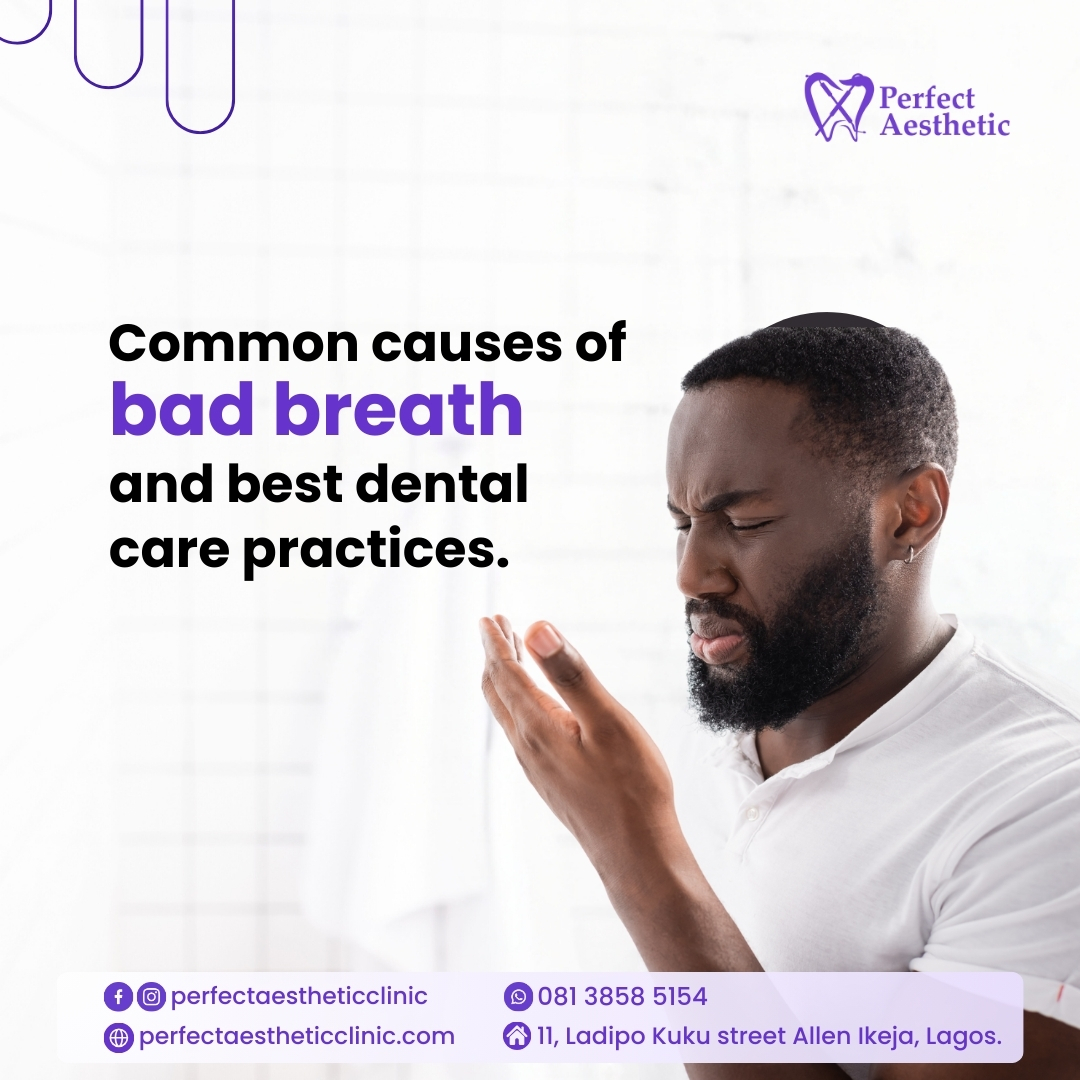
    Common causes of bad breath and best dental care practices.

    Struggling with Bad Breath? Here’s What Causes It and the Best Practices to Keep Your Mouth Fresh

    Bad breath, or halitosis, is a common concern that affects millions worldwide, and it can be an embarrassing issue to deal with daily. Fortunately, understanding the causes of bad breath and incorporating some straightforward dental care practices can make a huge difference in keeping your mouth fresh and healthy.

    Understanding the Common Causes of Bad Breath

    Before jumping into solutions, it’s important to understand what might be causing bad breath. Here are the most common culprits:

    1. Poor Oral Hygiene Failing to clean your mouth properly allows food particles to linger, which bacteria then break down, releasing unpleasant-smelling gases. Regular brushing and flossing are essential for preventing this.
    2. Gum Disease Gum disease, often caused by plaque buildup along and under the gumline, can result in chronic bad breath. Bacteria in the gum pockets produce foul odors and can lead to tooth loss if left untreated.
    3. Dry Mouth Saliva helps wash away food particles and bacteria, so a decrease in saliva production can contribute to bad breath. Known as xerostomia, dry mouth can be caused by certain medications, dehydration, or even conditions that affect the salivary glands.
    4. Tonsil Stones Tonsil stones are hard deposits of debris, bacteria, and dead cells that form in the crevices of your tonsils. These can produce a strong odor and are sometimes a hidden cause of persistent bad breath.
    5. Sinus and Respiratory Infections Sinus infections and upper respiratory conditions can lead to bad breath as bacteria thrive in the mucus associated with these conditions.
    6. Smoking and Tobacco Products Smoking not only causes bad breath directly due to the strong smell of tobacco but also leads to dry mouth and increases the likelihood of gum disease, both of which contribute to halitosis.

    Effective Dental Care Practices to Combat Bad Breath

    Now that we understand the causes, here are the most effective dental care practices to keep your breath fresh and your mouth healthy.

    1. Brush Your Teeth Twice a Day with Fluoride Toothpaste

    Brushing your teeth at least twice a day removes food particles, plaque, and bacteria that cause bad breath. Use a fluoride toothpaste to strengthen your enamel and prevent decay. Make sure to brush for a full two minutes, reaching every surface of each tooth.

    Tip: Replace your toothbrush every three to four months, or sooner if the bristles are frayed. A worn toothbrush can’t clean as effectively.

    2. Don’t Forget to Brush Your Tongue

    The back of your tongue can harbor bacteria that release sulfur compounds, which smell unpleasant. Use a tongue scraper or brush your tongue gently as part of your regular oral hygiene routine.

    3. Floss Daily to Remove Food Particles and Plaque

    Flossing helps remove food particles and plaque from between your teeth where a toothbrush might not reach. Daily flossing reduces plaque buildup, preventing bad breath and gum disease.

    4. Rinse with Mouthwash

    Using an antibacterial mouthwash can help reduce bacteria and freshen your breath. Look for a mouthwash that specifically targets bacteria and avoid those with alcohol if you have dry mouth, as alcohol can further dry out your mouth.

    Tip: Avoid mouthwashes with excessive artificial flavors or colors. Go for ones with antibacterial agents like chlorhexidine, cetylpyridinium chloride, or essential oils.

    5. Visit Your Dentist Regularly for Check-Ups and Cleanings

    Professional cleanings remove hardened plaque, or tartar, which can only be done by a dental professional. Regular check-ups also allow your dentist to spot early signs of gum disease or other conditions contributing to bad breath.

    6. Limit Sugary and Acidic Foods and Drinks

    Sugary foods feed bacteria in your mouth, which produce acid and foul-smelling gases as they metabolize the sugar. Acidic drinks like soda and coffee can also contribute to bad breath. Instead, opt for fresh fruits and vegetables that naturally clean your teeth and stimulate saliva production.

    7. Stay Hydrated to Prevent Dry Mouth

    Drinking plenty of water throughout the day helps keep your mouth moist and washes away food particles and bacteria. Avoid excessive caffeine, as it can dehydrate you, and consider chewing sugar-free gum to stimulate saliva production if you’re prone to dry mouth.

    Additional Tips for Fresh Breath All Day Long

    1. Snack Smart: Crunchy fruits and vegetables like apples and carrots act as natural cleaners, helping to remove food particles and bacteria from your mouth.
    2. Chew Sugar-Free Gum or Mints: Choose xylitol-sweetened options as xylitol can help reduce bacteria levels in your mouth. Chewing gum also increases saliva flow, helping keep your mouth hydrated.
    3. Watch for Unusual Symptoms: If you experience symptoms like pain, swelling, or unusual tastes in your mouth alongside bad breath, it might indicate a deeper health issue. Consult your dentist or healthcare provider.

    Why Dental Care Matters Beyond Fresh Breath

    Beyond improving your breath, good dental care is essential for overall health. Gum disease has been linked to systemic conditions such as diabetes and heart disease, so maintaining good oral hygiene is important not only for fresh breath but for your health in general.

    Take Action Today for a Fresher Tomorrow

    By following these simple dental care practices, you can effectively manage and prevent bad breath. So, are you ready to take the next step toward fresher breath and better oral health? Regular dental check-ups and a consistent daily routine are key. If you have any questions or need a personalized consultation, don’t hesitate to contact us. Our team is here to help you achieve the confidence and fresh breath you deserve.

  • Best Dental Practices for Older People.

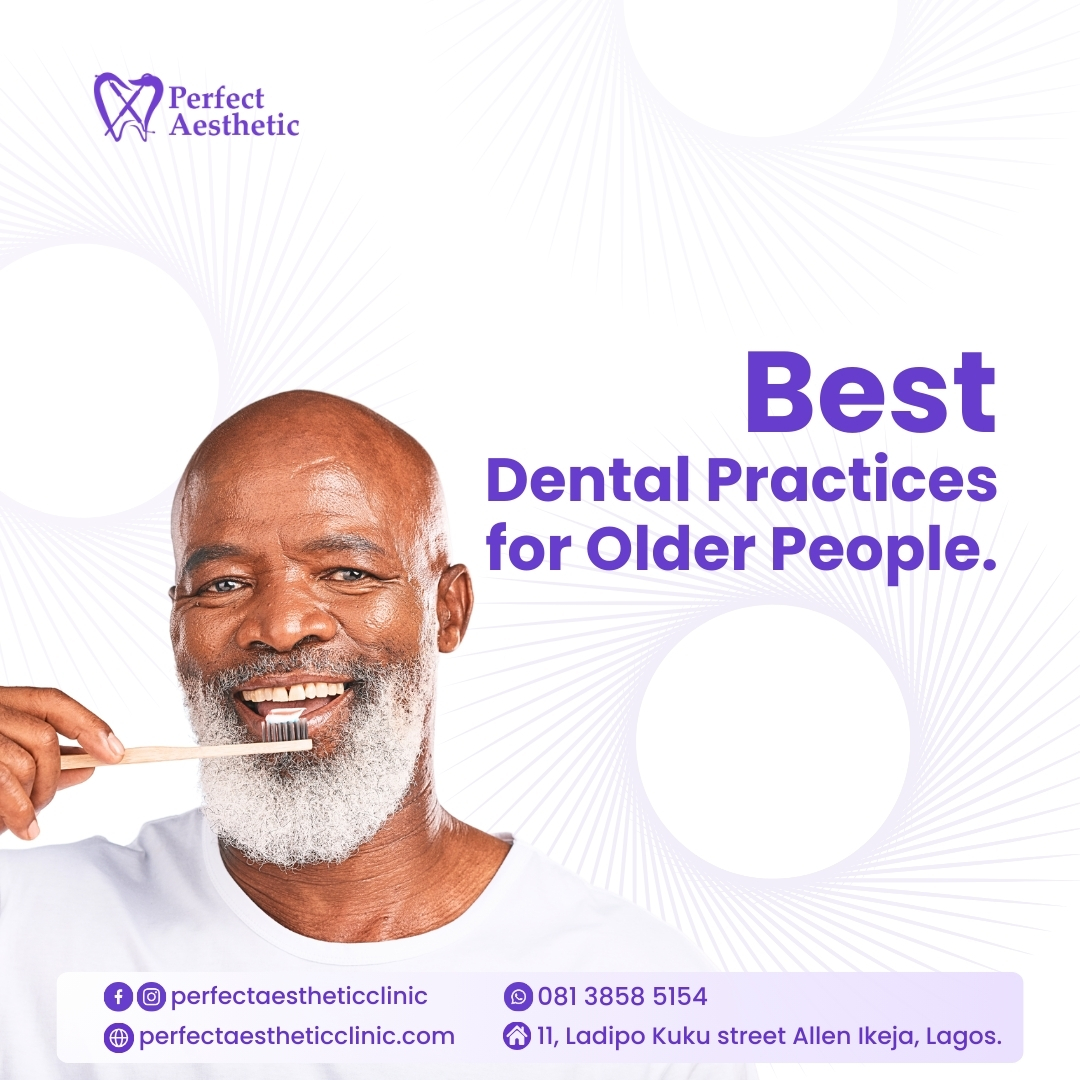
    Best Dental Practices for Older People.

    As we age, our bodies change, and our oral health is no exception.

    Senior citizens face unique challenges when it comes to maintaining healthy teeth. However, with a few adjustments to your routine and regular dental care, you can ensure bright, healthy teeth well into your golden years.

    Understanding the Specific Needs of Seniors’ Oral Health.

    Dry Mouth:
    A common issue among seniors, dry mouth occurs when the salivary glands don’t produce enough saliva. Saliva plays a vital role in oral health, washing away food particles, neutralizing acids, and promoting healthy tooth enamel. Dry mouth can increase the risk of cavities, gum disease, and even oral thrush.

    Denture Care:
    Many seniors rely on dentures to maintain their teeth. While dentures offer a valuable solution, proper care is crucial to prevent discomfort, gum irritation, and even bone loss in the jaw.

    Medication Interactions:

    Certain medications commonly prescribed to seniors can have side effects that affect oral health. These may include dry mouth, thrush, or changes in taste. It’s important to discuss any medications you’re taking with your dentist to understand potential impacts and make adjustments to your oral hygiene routine if necessary.

    Weakened Immune System:
    As we age, our immune system weakens, making us more susceptible to oral infections like gum disease. Maintaining good oral hygiene and regular dental checkups become even more crucial to prevent these problems.

    Dexterity Changes:
    Fine motor skills can decline with age, making brushing and flossing more challenging. However, proper oral hygiene remains essential.


    Maintaining Strong Teeth for Overall Well-Being.

    Strong, healthy teeth are not just about aesthetics; they play a vital role in seniors’ overall well-being.

    Here’s how:

    Nutrition: Healthy teeth allow you to chew food properly, which is essential for maintaining a balanced diet. Poorly chewed food can lead to digestive problems and nutrient deficiencies.

    Speech: Healthy teeth play a role in clear speech by providing support for the lips and tongue. Missing or damaged teeth can affect pronunciation and make communication more challenging.

    Confidence and Self-Esteem: Bright, healthy teeth can boost self-confidence and social interaction. Conversely, dental problems can lead to feelings of self-consciousness and withdrawal from social activities.

    Adapting Oral Hygiene Practices for Seniors.

    Maintaining a good oral hygiene routine is crucial for seniors, but adapting it to address dexterity changes is essential.

    Here are some tips:

    Brushing: Choose a soft-bristled toothbrush with a larger handle for easier gripping. Consider using an electric toothbrush, which requires less manual effort. Brush your teeth for two minutes, twice a day, with fluoride toothpaste.

    Flossing: Traditional flossing can be challenging for some seniors. Consider using floss holders or interdental brushes, which offer easier handling. Water flossers are another alternative, providing a gentle yet effective way to clean between teeth.

    Denture Care: Brush your dentures daily with a soft-bristled denture brush and a denture cleanser. Soak your dentures overnight to prevent them from drying out and warping. Schedule regular dental checkups to ensure a proper fit and address any denture-related issues.

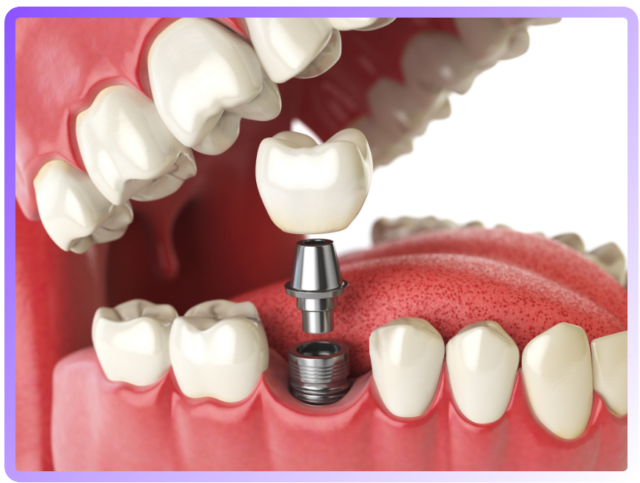
    Considering Dental Implants: Dental implants offer a permanent solution for missing teeth in seniors. While implants require a surgical procedure, they provide a stable and natural-looking alternative to dentures or bridges. They also promote jaw health by stimulating bone growth and preventing bone loss in the jaw that can occur with missing teeth. Discuss the possibility of dental implants with your dentist to see if they are a suitable option for you.

    Oral Cancer Screening: Oral cancer is a concern for people of all ages, but the risk increases with age. Regular dental checkups include an oral cancer screening. This painless examination allows your dentist to check for any abnormalities in your mouth, tongue, and throat. Early detection of oral cancer is crucial for successful treatment, and regular dental visits are a valuable tool for this screening.

    Financial Considerations: Dental care can be a concern for some seniors on a fixed income. Many dental clinics offer flexible payment plans and accept dental insurance. Discuss your financial situation with your dentist’s office to find a payment option that works for you. Additionally, some government programs or senior citizen discounts may be available to help with dental costs.


    The Role of Family and Caregivers:

    Family and caregivers can play a vital role in supporting seniors’ oral health. Assisting seniors with brushing and flossing if dexterity is a challenge, reminding them to schedule dental appointments, and monitoring for any signs of oral problems are all ways caregivers can contribute to a senior’s well-being.

    Additional Tips for Optimal Oral Health Diet:

    Limit sugary foods and drinks that contribute to tooth decay. Focus on a balanced diet rich in fruits, vegetables, and whole grains to provide your body with the nutrients it needs for good oral health.

    Dry Mouth Remedies:

    If you experience dry mouth, consider using sugar-free lozenges or gum to stimulate saliva production. Drinking plenty of water throughout the day also helps keep your mouth moist.

    Regular Dental Checkups:

    Don’t skip your dental checkups! They are even more important for seniors to ensure early detection and treatment of any potential problems. Discuss any concerns you have with your dentist, and they can tailor your oral hygiene routine and treatment plan to your specific needs.

    Partnering with Your Dentist for a Healthy Teeth.

    Your dentist is a valuable partner in maintaining your oral health throughout your life. By understanding the specific challenges faced by seniors and adapting your oral hygiene routine accordingly, you can ensure healthy teeth that contribute to your overall well-being. Schedule an appointment with your dentist today to discuss your individual needs and develop a personalized plan for optimal oral health in your golden years.

    Key takeaways:

    • Seniors face unique oral health challenges like dry mouth, denture care, medication interactions, and a weakened immune system.

    • Maintaining strong teeth is crucial for overall well-being, impacting nutrition, speech, and self-esteem.

    • Adapt your oral hygiene routine with soft-bristled brushes, electric toothbrushes, floss holders, or water flossers for easier cleaning.

    • Maintain a balanced diet, limit sugary foods, and drink plenty of water to promote oral health.

    Regular dental checkups are essential for early detection and treatment of dental problems in seniors.

  • Why Regular Dental Checkups are Crucial for Your Health.

    Why Regular Dental Checkups are Crucial for Your Health.


    You brush twice daily, floss regularly, and maybe even swish with mouthwash. While this at-home routine is commendable, it’s not enough to achieve optimal oral health. Regular dental checkups are essential, acting as a shield against potential threats and promoting overall health.

    Dental Check-up
    Dental Check-up


    Early Detection.

    Think of your biannual dental checkup as a detective story, where the dentist meticulously examines your mouth for any signs of trouble.

    Many dental problems, like cavities or gum disease, develop silently in their early stages. By the time you experience pain or noticeable symptoms, the issue may be more complex and expensive to treat.

    Regular checkups enable your dentist to identify these potential problems early on when they are easier to address. For instance, a small cavity can be filled with a simple procedure, whereas a neglected one can lead to root canals or even tooth loss. Similarly, early-stage gum disease (gingivitis) can be reversed with improved oral hygiene, but if left untreated, it can progress to periodontitis, which can damage the jawbone and surrounding tissues.


    Prevention is Key.

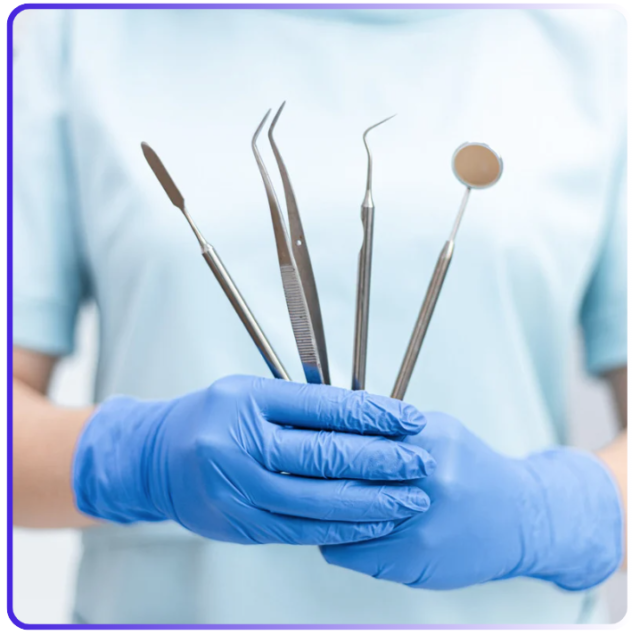
    Beyond early detection, regular checkups are vital for preventing dental issues. Professional cleanings remove plaque and tartar buildup, the primary causes of cavities and gum disease. Even with diligent brushing and flossing, it’s easy to miss hard-to-reach areas. A dental hygienist uses specialized tools and techniques to clean your teeth thoroughly, removing harmful deposits before they cause damage.


    The Link Between Oral and Overall Health.

    Research increasingly highlights the connection between oral health and overall well-being. Studies have linked gum disease to chronic health conditions like heart disease, diabetes, and stroke. Regular dental checkups not only protect your smile but also contribute to your overall health by identifying and treating oral health issues that could potentially lead to other health problems.


    Oral Cancer Screening.

    Oral cancer is a serious health concern, but early detection significantly improves treatment outcomes. During a routine checkup, your dentist will perform a painless oral cancer screening, checking for any abnormalities in your mouth, tongue, and throat. Regular dental checkups provide a valuable opportunity for this lifesaving screening.


    Maintaining a Healthy Smile.

    Brushing and flossing are the foundations of good oral hygiene, but there’s more to it. During your checkup, your dentist can assess your individual needs and provide personalized advice on proper brushing and flossing techniques. They may also recommend specific products like toothpaste or mouthwash tailored to your concerns.


    Get your Questions Answered

    Regular dental visits establish a relationship with your dentist, fostering trust and open communication. This allows you to voice any concerns or questions you have about your oral health. Whether it’s persistent bad breath, tooth sensitivity, or cosmetic dentistry options, your dentist is there to address your needs and provide expert guidance.


    Investing in Your Teeth.

    Regular dental checkups are an investment in your long-term oral and overall health. Early detection and prevention can save you money by avoiding the need for more complex and expensive procedures down the line.


    Fresh Breath and Confidence.

    Good oral health offers aesthetic and social benefits. Regular dental checkups and proper home care ensure fresh breath and a bright, healthy smile, boosting your confidence and making a positive impression in social and professional settings.


    Addressing Dental Anxiety.

    If the thought of a dental visit causes anxiety, rest assured that modern dental clinics prioritize patient comfort, offering calming environments and gentle procedures. Discuss any concerns with your dentist, as many offer techniques like nitrous oxide sedation to help you relax during your appointment.


    Family Dental Habits.

    Regular dental checkups are essential for everyone, from children to adults. Scheduling family appointments allows your dentist to monitor the oral health of your entire household. Early dental care for children helps establish healthy habits that last a lifetime. Your dentist can also provide guidance on age-appropriate oral hygiene practices for children.


    Maintaining a Healthy Smile on the Go:

    In addition to regular checkups, here are some tips to maintain a healthy smile:

    • Develop & maintain a balanced diet, limiting sugary foods and drinks, which contribute to plaque buildup.
    • Make sure to drink plenty of water to flush away food particles and keep your mouth hydrated.
    • Always use a fluoride rinse to strengthen tooth enamel and prevent cavities.
    • Don’t smoke or use tobacco products, as they significantly increase your risk of oral health problems.

    By following these tips and scheduling regular dental checkups, you can ensure a healthy, beautiful smile that contributes to your overall well-being.

    Schedule Your Appointment Today
    Taking charge of your oral health is easy. Schedule your next dental checkup today and experience the benefits of preventive care. Invest in yourself, and let your dentist be your partner in achieving optimal oral health.

    Looking for a Dental Clinic in Your City?
    At Perfect Aesthetic Clinic, we are committed to providing comprehensive dental care in a warm and welcoming environment. Our team of experienced dentists and hygienists prioritize preventive care and utilize the latest technology to ensure your oral health is in top shape. Contact us

    Key takeaways:
    • Don’t forget that regular dental checkups allow for early detection and treatment of dental problems.
    • Constant professional cleanings remove plaque and tartar buildup, preventing cavities and gum disease.
    • Your oral health is linked to overall health, and regular dental checkups can help reduce the risk of chronic health conditions.
    • Dental checkups promote fresh breath, and a bright smile, and boost confidence.
    • Modern dentistry prioritizes patient comfort, with techniques to address dental anxiety.
    • Family dental habits establish healthy oral hygiene habits for life.
    • Technological advancements enhance diagnosis and treatment for optimal oral health.

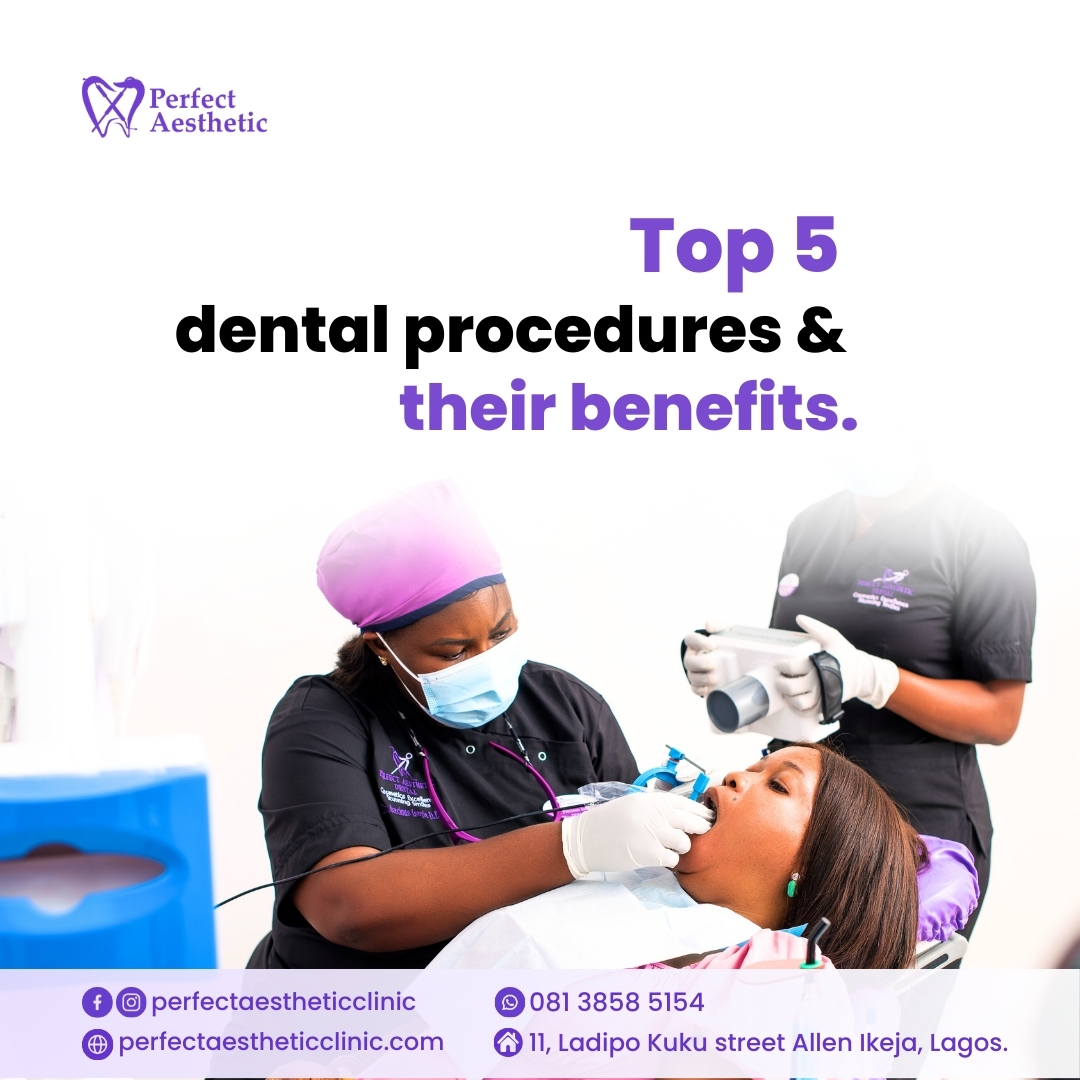
  • Top 5 dental procedures & their benefits

    Top 5 dental procedures & their benefits

    Your smile is your gateway to the world and different dental procedures can create that gateway for you.

    • A good smile conveys confidence, warmth, and overall well-being.
    • A healthy smile goes beyond aesthetics.
    • Proper oral hygiene plays a vital role in your overall health and well-being.
    • Regular dental visits and preventive care are crucial for maintaining a healthy mouth and preventing future dental problems.
    There are different procedures to address your unique dental needs.

    From routine cleanings, extra white veneers, dental implants, fast braces, clear aligners, tooth removal, scaling and polishing, teeth whitening, teeth cleaning, and composite teeth filling/buildup and routine check-ups are committed to helping you achieve and maintain optimal oral health.

    In this post, we’ll explore the top 5 dental procedures and how they can benefit you:


    1. Dental cleaning and checkups are a good foundation for oral health.

    Think of dental cleaning and checkups as the cornerstone of good oral health. This routine procedure typically recommended every 6 months, is vital in preventing gum disease, detecting cavities early on, and ensuring your overall oral health stays on track.

    Dental Routine Check Up
    Dental Routine Check-Up – Perfect Aesthetic

    During a cleaning, your hygienist will thoroughly remove plaque and tartar buildup from your teeth. Plaque is a sticky film that harbors bacteria, while tartar is a hardened plaque that necessitates professional removal. This cleaning helps prevent gum inflammation (gingivitis) and gum disease (periodontitis), which can lead to serious health problems if left untreated.

    Your dental checkup involves a comprehensive examination of your teeth and gums. The dentist will assess your gum health, check for cavities and other issues, and screen for oral cancer. Early detection is key to effective treatment, making these regular checkups invaluable.


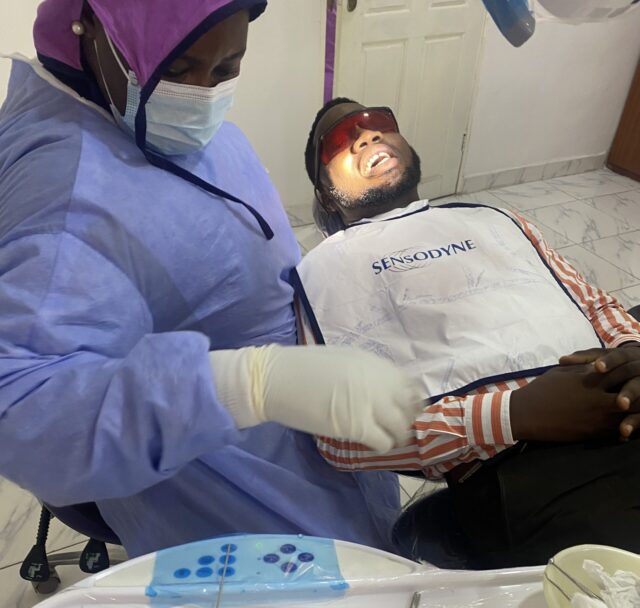
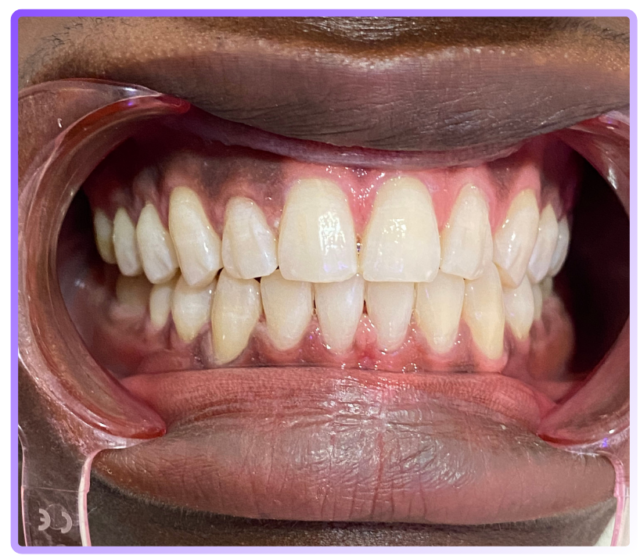
    2. Teeth Whitening for a brighter, more confident smile.

    A gleaming smile can boost your confidence and make you feel your best. Teeth whitening is a popular cosmetic procedure that can brighten your smile by several shades.

    Teeth Whitening - Perfect Aesthetic
    Teeth Whitening – Perfect Aesthetic

    We offer different teeth whitening options to suit your needs and preferences. In-office whitening treatments provide dramatic results in a single visit. Our professional-grade whitening agents are applied by your dentist, ensuring safety and effectiveness.

    For those who prefer a gradual approach, at-home whitening kits are available. These kits come with customized trays and whitening gel. While results take longer than in-office treatments, they offer a convenient option for on-the-go whitening.

    It’s important to understand that teeth whitening results will vary depending on your situation and the severity of staining. While professional whitening offers long-lasting results, they can fade over time with certain foods and beverages. Your dentist can discuss the best whitening option for you and advise on maintaining your brighter smile.


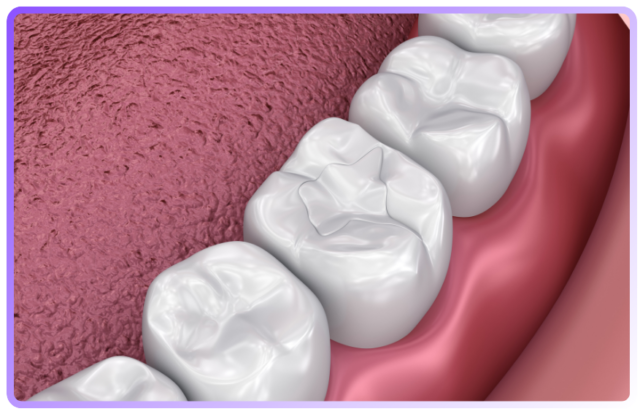
    3. Dental Fillings to restore your teeth functionality.

    Cavities, cracks, and worn-down teeth are common dental issues that require timely intervention. Dental fillings effectively restore the health and functionality of your teeth. They prevent further decay and promote a healthy mouth.

    Dental Filling - Perfect Aesthetic
    Dental Filling – Perfect Aesthetic

    Modern dental fillings come in various materials, each with its advantages. Composite resin fillings are popular for their natural-looking appearance, as they can be colour-matched to your existing teeth. They are also suitable for smaller cavities. Amalgam fillings, traditionally made of silver, are known for their durability and are often used for larger cavities or areas with high chewing pressure.

    Getting a filling is a relatively painless procedure. Your dentist will numb the area and remove any decay before placing the filling material. The entire process is typically completed in one appointment, allowing you to regain normal function and prevent further damage to your tooth.


    4. Dental crowns to strengthen your damaged teeth.

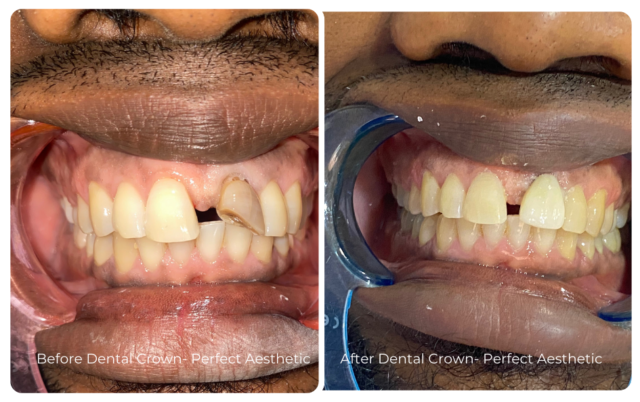
    Sometimes, a tooth may be too damaged for a simple filling. This could be due to extensive decay, cracks, root canal treatment, or significant wear and tear. In such cases, a dental crown is the ideal solution.

    Dental Crown - Perfect Aesthetic Clinic
    Dental Crown – Perfect Aesthetic Clinic

    A dental crown is a cap that is custom-made to fit over the remaining tooth structure. Crowns provide strength, stability, and improved aesthetics. They are typically made of porcelain or ceramic materials, allowing them to blend seamlessly with your surrounding teeth.

    The crown placement process usually involves two appointments. During the first visit, your dentist will prepare the tooth for the crown and take an impression to create the custom restoration. A temporary crown will be placed to protect the tooth until the permanent crown is ready. On the second visit, the permanent crown is carefully cemented onto your tooth, restoring its form, function, and appearance.


    5. A Dental implant is a long-lasting solution for missing teeth.

    Missing teeth can impact not only your smile but also your ability to chew and speak properly. Dental implants offer a revolutionary solution for replacing missing teeth and restoring a complete, functional smile.

    Dental implant - Perfect Aesthetic
    Dental implant – Perfect Aesthetic

    A dental implant is a small titanium post surgically placed into your jawbone. This post acts as an artificial tooth root, providing a strong foundation for a replacement tooth. The replacement tooth can be a crown, bridge, or denture, depending on your needs.

    Dental implants offer several advantages over I apologize for cutting the previous section short. Here’s the continuation about dental implants:

    Dental implants offer several advantages over traditional bridges and dentures:

    1. Durability: Implants are surgically fused with the jawbone, mimicking the natural root structure. This provides exceptional long-term stability and functionality, potentially lasting a lifetime with proper care.

    2. Natural Feel and Appearance: Dental implants feel and function very similarly to natural teeth. This allows for natural biting, chewing, and speaking without discomfort. Additionally, crowns attached to implants are designed to look natural, seamlessly integrating with your surrounding teeth.

    3. Improved Oral Health: Unlike traditional bridges that require modification of healthy teeth, implants stand alone. This eliminates the risk of damaging healthy teeth and promotes overall oral health.

    4. Jawbone Health: Dental implants stimulate the jawbone, preventing bone loss that can occur with missing teeth. This helps maintain facial structure and prevents a sunken-in appearance.

    5. The implant placement process typically involves multiple stages, including an initial consultation, surgery, and healing period, followed by placement of the crown or restoration. While it requires more planning and time compared to other procedures, the long-lasting benefits and improved quality of life make dental implants a worthwhile investment for many patients.

    Conclusion

    Maintaining a healthy smile requires a combination of good oral hygiene habits and regular dental visits. The top 5 procedures discussed above – cleanings and checkups, teeth whitening, fillings, crowns, and implants – all play a crucial role in achieving and maintaining optimal oral health.

    Whether you’re looking for preventive care, a brighter smile, restoration of damaged teeth, or a solution for missing teeth, our dental clinic is here to help you achieve your goals.

    Schedule an appointment with us today to discuss your individual needs and explore the best dental procedures for a healthy, confident smile!