Category: bad breath

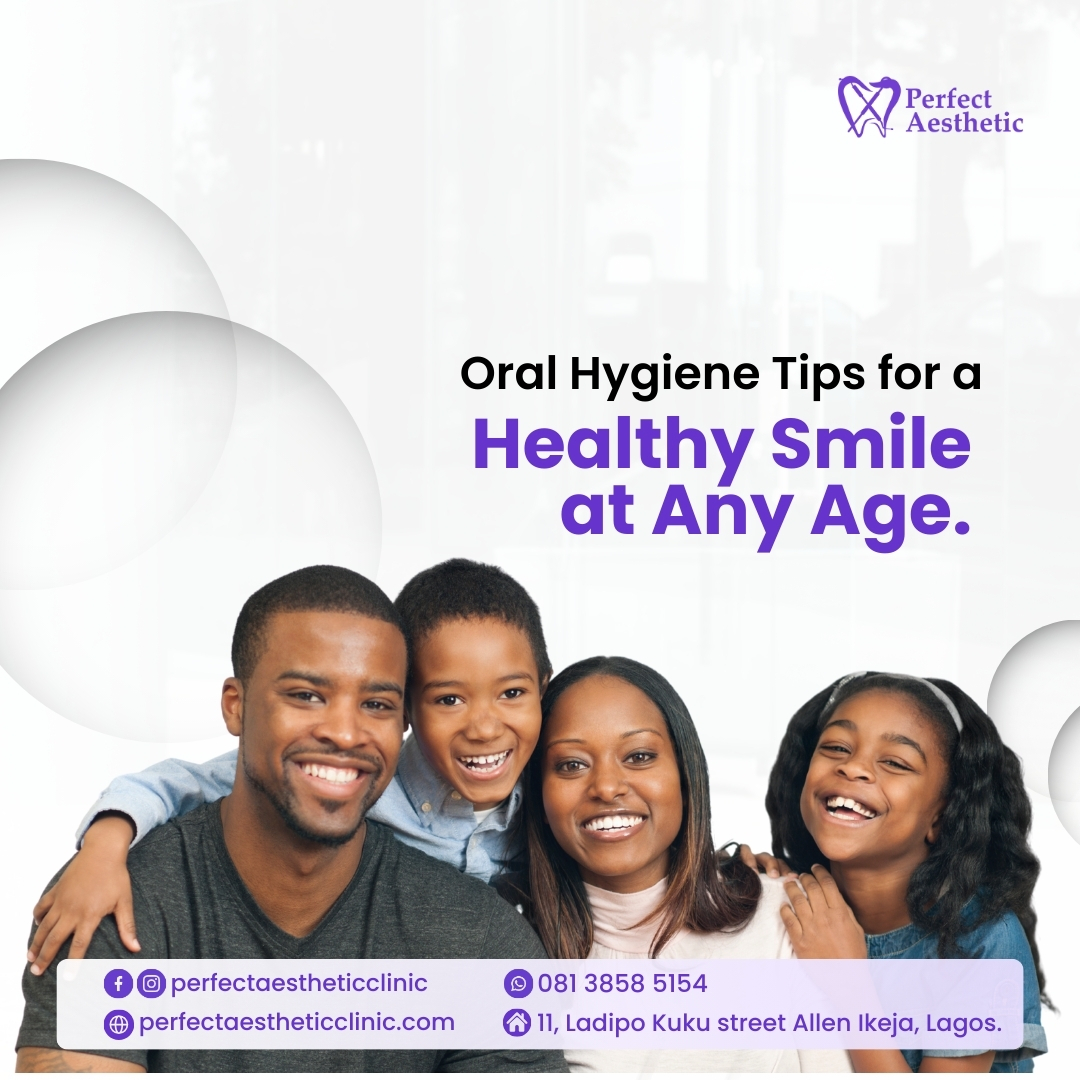
  • Oral Hygiene Tips for a Healthy Smile at Any Age.

    Oral Hygiene Tips for a Healthy Smile at Any Age.

    Good oral hygiene is essential for maintaining a healthy smile and preventing a range of dental issues that can affect your overall health.

    From childhood to old age, proper care of your teeth & gums can help you maintain a bright smile, and reduce the risk of cavities, gum disease, and other dental problems. Whether you are a child, teenager, adult, or senior, caring for your teeth should be a lifelong commitment.


    Here are tips for maintaining oral hygiene at every stage of life, so you can enjoy a healthy smile for years to come:


    Oral Hygiene Tips for Children (Ages 2-12)

    Oral hygiene starts early. Dental care should begin as soon as your child’s first tooth emerges. Early habits lay the foundation for lifelong oral health, and how you care for your child’s teeth as they grow will influence their dental habits as adults.

    Here are some tips for keeping your child’s smile healthy:

    1. Start Early

    • Clean your baby’s gums with a soft cloth or infant toothbrush before their first teeth appear. This will help get them used to oral care.
    • Once the first tooth emerges (usually around six months), begin brushing with a fluoride-free toothpaste designed for infants. Brush gently twice a day.

    2. Introduce Fluoride Toothpaste

    • Once your child turns two, you can switch to fluoride toothpaste but use only a small pea-sized amount.
    • Encourage your child to spit out the toothpaste instead of swallowing it.

    3. Supervise Brushing

    • Until the age of 6 or 7, children lack the dexterity to properly brush their teeth. Make sure they brush twice a day with supervision.
    • Help them brush until they can do it thoroughly on their own.

    4. Teach Proper Brushing Techniques

    • Teach your child to brush for at least two minutes. Use gentle, circular motions to brush all surfaces of the teeth, including the front, back, and chewing surfaces.
    • Don’t forget to brush the tongue gently to remove bacteria.

    5. Flossing Habits

    • Once your child has two teeth that touch, you should start flossing for them. As they grow, teach them how to floss. Flossing removes plaque from between teeth that a toothbrush can’t reach.

    6. Healthy Diet

    • Encourage a balanced diet with limited sugary snacks and drinks. Healthy foods like fruits, vegetables, and whole grains promote strong teeth and healthy gums.
    • Limit sugary snacks and drinks like candy, soda, and juice, as these can lead to cavities.

    7. Regular Dental Visits

    • Schedule your child’s first dental visit by their first birthday, or within six months after their first tooth erupts. Regular dental checkups are crucial for early detection of dental issues like cavities, alignment problems, or gum disease.
    Oral Hygiene Tips for Teens (Ages 13-19)

    Adolescence is an important stage for developing lifelong oral care habits. Teens face unique oral health challenges, including the increased consumption of sugary snacks and drinks, changes in hormones, and orthodontic treatments.

    Here’s how you can maintain a healthy smile during these teenage years:

    1. Brush and Floss Regularly

    • Continue to brush your teeth twice a day with fluoride toothpaste, and don’t forget to floss once a day. Brushing and flossing should be done for at least two minutes, ensuring all surfaces of the teeth are cleaned.
    • Teens should also clean their tongue to eliminate bacteria that cause bad breath.

    2. Orthodontic Care

    • Many teens get braces, which can make brushing and flossing more challenging. It’s essential to brush after every meal, using a soft-bristled toothbrush and fluoride toothpaste.
    • Use an interdental brush or a floss threader to clean between braces and wires. Regular orthodontic visits are necessary for adjustments and monitoring of progress.

    3. Mind the Sugary Snacks

    • Teenagers are often tempted by sugary snacks and sodas, which can lead to cavities and tooth decay. Limit sugary foods and drinks, and make sure to brush after consuming them.
    • Encourage water as the drink of choice to help rinse away food particles and prevent decay.

    4. Mouthguards for Sports

    • If your teen plays contact sports, make sure they wear a mouthguard to protect their teeth from injury. A custom-fit mouthguard is more comfortable and effective than over-the-counter options.

    5. Tobacco and Alcohol Awareness

    • Smoking and drinking alcohol are not only bad for overall health but can negatively impact oral health. Smoking increases the risk of gum disease, oral cancer, and tooth staining.
    • Encourage your teen to avoid tobacco products and limit alcohol consumption to promote healthier teeth and gums.

    6. Regular Dental Visits

    • Regular dental visits should continue every six months. During these visits, the dentist will monitor your teen’s teeth and gums, and check for signs of cavities, gum disease, or tooth alignment problems.


    Oral Hygiene Tips for Adults (Ages 20-64)

    As an adult, you’re responsible for maintaining your oral health and preventing issues that can arise due to neglect or lifestyle choices. The habits you develop now can ensure that your smile remains healthy throughout your adult life.

    Here are some tips for maintaining oral health:

    1. Brush and Floss Twice a Day

    • Brush your teeth at least twice a day with fluoride toothpaste and floss at least once a day to remove plaque from between teeth. Use a soft-bristled toothbrush to avoid damaging the enamel.
    • Be sure to clean the tongue and gums as well to remove bacteria and promote fresh breath.

    2. Mouthwash for Freshness

    • Using a fluoride mouthwash can help reduce plaque buildup, fight bad breath, and strengthen your teeth.
    • An antimicrobial mouthwash can also help fight gum disease by reducing the bacteria in your mouth.

    3. Healthy Diet and Hydration

    • Eating a balanced diet with plenty of fruits, vegetables, and low-fat dairy products will help strengthen your teeth and keep your gums healthy.
    • Drink plenty of water throughout the day to keep your mouth hydrated and rinse away food particles.

    4. Avoid Tobacco Use

    • Smoking and chewing tobacco contribute to gum disease, tooth decay, and oral cancer. Avoid tobacco products to protect your oral and overall health.

    5. Wear a Night Guard if Necessary

    • If you grind your teeth at night (a condition called bruxism), talk to your dentist about wearing a night guard to protect your teeth from wear and tear.

    6. Regular Dental Visits

    • Continue to visit your dentist regularly for checkups and cleanings every six months. Regular visits allow your dentist to detect any potential problems early and prevent serious issues.
    Oral Hygiene Tips for Seniors (Ages 65 and Up)

    As we age, our oral health needs change, and we may experience different challenges such as dry mouth, tooth sensitivity, or gum disease. It’s essential to adjust our oral hygiene routine to maintain a healthy smile.

    Here’s how seniors can care for their teeth and gums:

    1. Brush Gently but Thoroughly

    • As teeth become more sensitive with age, it’s important to use a soft-bristled toothbrush and fluoride toothpaste to avoid irritation while still cleaning effectively.
    • Brush gently along the gumline to remove plaque and prevent gum disease.

    2. Flossing is Still Important

    • Continue to floss once a day to remove food particles and plaque from between your teeth. If traditional flossing is difficult, try using floss picks or a water flosser.

    3. Hydrate and Avoid Dry Mouth

    • Many seniors experience dry mouth, which can increase the risk of cavities and gum disease. Drink plenty of water and use saliva substitutes if necessary.
    • Avoid caffeine and alcohol, which can contribute to dry mouth.

    4. Maintain Dentures or Implants

    • If you wear dentures, clean them thoroughly every day, and make sure they fit properly. Poorly fitted dentures can cause irritation and discomfort.
    • For seniors with dental implants, continue to care for them just as you would natural teeth to ensure their longevity.

    5. Monitor for Gum Disease

    • Gum disease becomes more common as we age. If you notice any signs of gum recession, bleeding gums, or persistent bad breath, see your dentist immediately.

    6. Regular Dental Visits

    • Seniors should continue seeing their dentist regularly for checkups, cleanings, and screenings for oral cancer, as well as to monitor the health of their gums and teeth.


    No matter your age, maintaining good oral hygiene is essential for a healthy and beautiful smile.

    Starting early with good habits and sticking to a consistent oral care routine can help you prevent dental issues and enjoy a lifetime of healthy teeth and gums.

    At Perfect Aesthetic Dental Clinic, we’re dedicated to helping you and your family achieve and maintain optimal oral health at every stage of life. Whether you’re scheduling your child’s first dental visit or you need advanced care as an adult or senior, we’re here to support your smile!

    Don’t wait! Schedule your appointment today and ensure a healthy future for your teeth.

  • What Causes Bad Breath and How to Fix It?

    What Causes Bad Breath and How to Fix It?

    Bad breath, or halitosis, is a common concern that affects many individuals at some point in their lives. While bad breath is often considered a cosmetic issue, it can sometimes signal an underlying health condition that needs attention.

    For those who suffer from chronic bad breath, it can be an embarrassing and frustrating problem that impacts social interactions and self-esteem. Fortunately, with the right understanding of its causes and treatment options, halitosis can be managed or even eliminated.

    What is Halitosis?

    Halitosis, commonly known as bad breath, is an unpleasant odor that emanates from the mouth. It can occur occasionally or persist over time, depending on the cause.
    While occasional bad breath is generally linked to factors like eating certain foods or morning dryness, chronic bad breath can be a symptom of deeper oral or systemic health issues.

    Understanding the root cause of bad breath is essential for effective treatment and prevention. Let’s take a look at the various factors that contribute to halitosis.

    Common Causes of Bad Breath.

    1. Poor Oral Hygiene

    One of the most common causes of bad breath is poor oral hygiene. When you don’t brush and floss your teeth regularly, food particles can remain in the mouth, contributing to bad breath. The bacteria in the mouth break down food particles, releasing sulfur compounds that produce a foul odor.

    – Plaque and Tartar: If plaque is not removed through regular brushing, it hardens into tartar, which can harbor bacteria and lead to persistent bad breath. The buildup of plaque can also lead to gum disease (gingivitis or periodontitis), which is another common cause of halitosis.

    – Tongue Coating: The tongue can also harbor bacteria and dead cells, leading to a coating that can contribute to bad breath. The back of the tongue is especially prone to bacterial buildup and should be cleaned during your regular oral care routine.

    2. Dry Mouth (Xerostomia)

    Saliva plays a vital role in maintaining oral hygiene by washing away food particles and neutralizing acids produced by bacteria. A lack of saliva, also known as dry mouth (xerostomia), can lead to bad breath. Dry mouth can occur for various reasons, including medication side effects, certain health conditions (like diabetes), or even sleeping with your mouth open.

    When there is insufficient saliva, bacteria in the mouth thrive, contributing to an unpleasant odor. Dry mouth is a common issue that often leads to a sticky feeling in the mouth, difficulty speaking, and bad breath.

    3. Food Choices

    Certain foods are known to cause bad breath. Onions, garlic, and spicy foods are often cited as primary culprits due to the strong odor they leave behind. When you consume these foods, the particles are absorbed into the bloodstream, and eventually, they make their way to your lungs, causing bad breath when you exhale.

    – Acidic Foods and Drinks: Citrus fruits, coffee, and alcohol can also contribute to bad breath. Acidic foods and beverages can dry out the mouth and irritate the tissues in the mouth, making the environment more favorable for bacteria to thrive.
    Tobacco Use Smoking or using other tobacco products not only causes a distinct odor but also increases the risk of gum disease, which can contribute to bad breath. The chemicals in tobacco dry out the mouth, and the toxins and particles from tobacco products linger in the oral cavity, resulting in a foul odor.

    Additionally, smoking can lead to a condition known as tobacco-related periodontal disease, which can further exacerbate bad breath.

    5. Gum Disease (Periodontal Disease)

    Gum disease, whether in its early form (gingivitis) or more advanced form (periodontitis), is another significant cause of bad breath. Gum disease occurs when bacteria in plaque infect the gums, leading to inflammation, bleeding, and a foul-smelling discharge. The pockets between the gums and teeth can trap food particles, bacteria, and debris, which contribute to bad breath.

    6. Infections in the Mouth

    Any infection in the mouth, including cavities, abscesses, or mouth sores, can lead to bad breath. Infected tissues release pus, which produces a strong, unpleasant odor. Abscesses are a particular concern because they can be filled with bacteria and bacteria byproducts that create a foul odor.

    7. Health Conditions

    Bad breath can also be a symptom of an underlying health condition, especially if it is persistent. Some health conditions associated with bad breath include:

    – Respiratory infections like sinus infections, bronchitis, or pneumonia.

    – Diabetes, particularly when blood sugar levels are poorly controlled, can cause a fruity odor due to the presence of ketones.

    – Gastrointestinal issues such as acid reflux or stomach ulcers can lead to bad breath. Acid reflux allows stomach acid to travel into the mouth, causing a sour or bitter odor.

    – Liver or kidney problems can result in a specific odor. When the liver or kidneys are not functioning properly, toxins build up in the body, and these can affect the breath.

    – Sinus issues and post-nasal drip can cause mucus to build up in the back of the throat, leading to bad breath.

    8. Medications

    Many medications can contribute to dry mouth, which, as mentioned earlier, is a leading cause of bad breath. Medications such as antihistamines, decongestants, antidepressants, and painkillers can reduce saliva production, leading to a dry mouth and bad breath.

    9. Mouth Breathing Breathing through your mouth, especially while sleeping, can contribute to bad breath. Mouth breathing often occurs due to nasal congestion or chronic sinus issues, causing the mouth to dry out overnight.


    How to Prevent and Treat Bad Breath

    1. Practice Good Oral Hygiene: The most effective way to combat bad breath is by maintaining excellent oral hygiene. Brush your teeth at least twice a day with fluoride toothpaste, and floss once a day to remove food particles and plaque from between your teeth. Don’t forget to brush your tongue to remove bacteria and debris that contribute to bad breath.

    2. Stay Hydrated: Drinking plenty of water helps keep your mouth moist and encourages saliva production. If you suffer from dry mouth, consider using sugar-free gum or saliva substitutes to keep your mouth hydrated.

    3. Avoid Foods That Cause Bad Breath: While it may not be realistic to avoid certain foods entirely, being mindful of the foods that contribute to bad breath, like onions, garlic, and acidic foods, can help reduce unpleasant odors. Consider brushing your teeth or chewing sugar-free gum after consuming these foods.

    4. Quit Smoking: If you smoke or use tobacco products, quitting is one of the best things you can do for both your oral health and your overall health. Quitting tobacco helps reduce bad breath, improves gum health, and decreases the risk of oral cancer.

    5. Use Mouthwash: Mouthwash can temporarily mask bad breath, but it should not be relied upon as a permanent solution. Choose a mouthwash that fights bacteria and helps freshen breath. Avoid mouthwashes that contain alcohol, as they can dry out your mouth and make bad breath worse.

    6. Visit Your Dentist Regularly: Regular dental check-ups are essential in identifying and treating underlying dental issues that contribute to bad breath, such as cavities, gum disease, or infections. If you experience chronic bad breath, consulting a dentist is the first step to finding the root cause and resolving the problem.

    At Perfect Aesthetic Dental Clinic, we are dedicated to providing high-quality dental care and helping you maintain fresh, healthy breath.

    Our team of experienced professionals will thoroughly examine your mouth, identify the cause of your bad breath, and recommend an effective treatment plan. Whether it’s a simple cleaning, gum disease treatment, or further intervention, we are here to help you achieve the perfect smile and fresh breath you deserve.

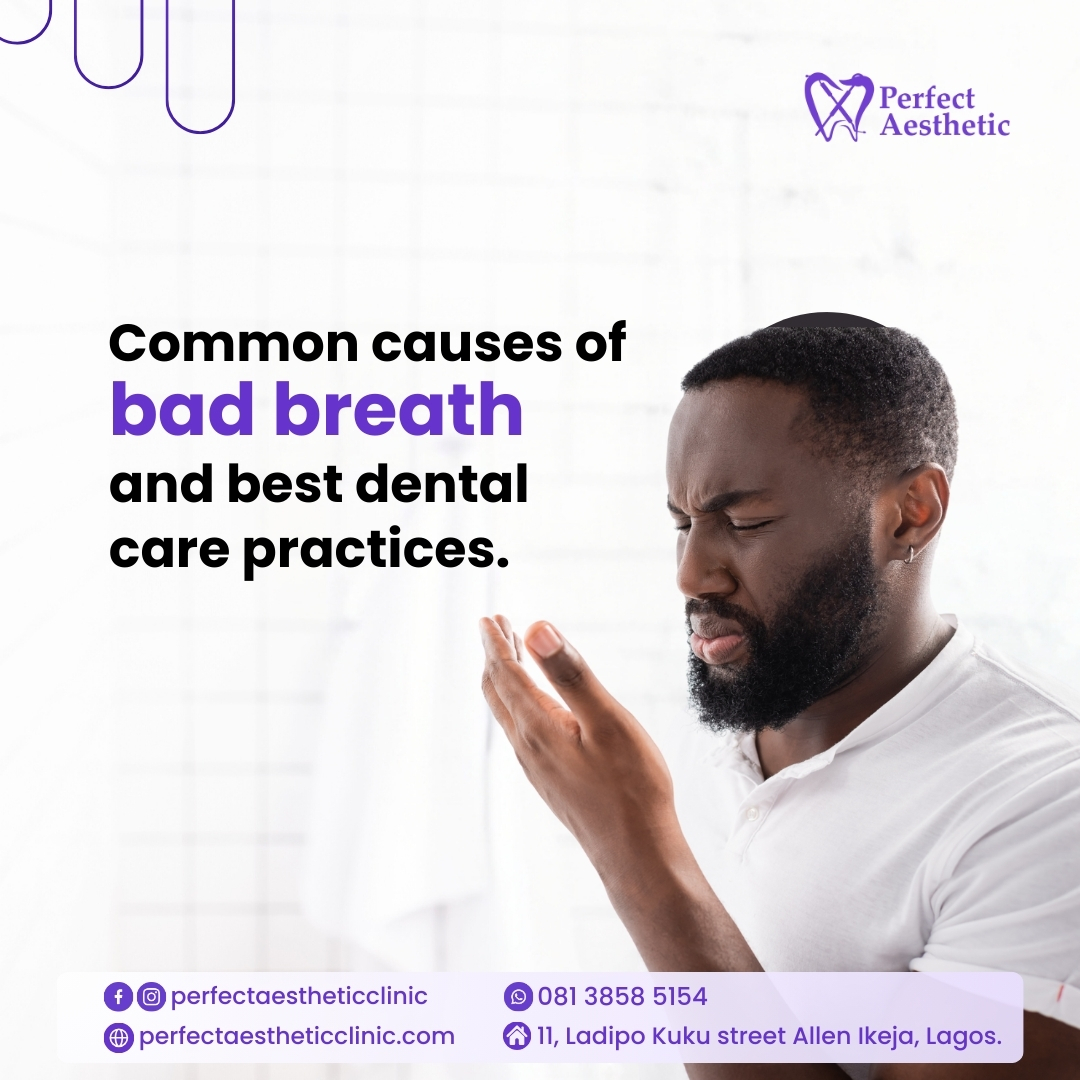
  • Common causes of bad breath and best dental care practices.

    Common causes of bad breath and best dental care practices.

    Struggling with Bad Breath? Here’s What Causes It and the Best Practices to Keep Your Mouth Fresh

    Bad breath, or halitosis, is a common concern that affects millions worldwide, and it can be an embarrassing issue to deal with daily. Fortunately, understanding the causes of bad breath and incorporating some straightforward dental care practices can make a huge difference in keeping your mouth fresh and healthy.

    Understanding the Common Causes of Bad Breath

    Before jumping into solutions, it’s important to understand what might be causing bad breath. Here are the most common culprits:

    1. Poor Oral Hygiene Failing to clean your mouth properly allows food particles to linger, which bacteria then break down, releasing unpleasant-smelling gases. Regular brushing and flossing are essential for preventing this.
    2. Gum Disease Gum disease, often caused by plaque buildup along and under the gumline, can result in chronic bad breath. Bacteria in the gum pockets produce foul odors and can lead to tooth loss if left untreated.
    3. Dry Mouth Saliva helps wash away food particles and bacteria, so a decrease in saliva production can contribute to bad breath. Known as xerostomia, dry mouth can be caused by certain medications, dehydration, or even conditions that affect the salivary glands.
    4. Tonsil Stones Tonsil stones are hard deposits of debris, bacteria, and dead cells that form in the crevices of your tonsils. These can produce a strong odor and are sometimes a hidden cause of persistent bad breath.
    5. Sinus and Respiratory Infections Sinus infections and upper respiratory conditions can lead to bad breath as bacteria thrive in the mucus associated with these conditions.
    6. Smoking and Tobacco Products Smoking not only causes bad breath directly due to the strong smell of tobacco but also leads to dry mouth and increases the likelihood of gum disease, both of which contribute to halitosis.

    Effective Dental Care Practices to Combat Bad Breath

    Now that we understand the causes, here are the most effective dental care practices to keep your breath fresh and your mouth healthy.

    1. Brush Your Teeth Twice a Day with Fluoride Toothpaste

    Brushing your teeth at least twice a day removes food particles, plaque, and bacteria that cause bad breath. Use a fluoride toothpaste to strengthen your enamel and prevent decay. Make sure to brush for a full two minutes, reaching every surface of each tooth.

    Tip: Replace your toothbrush every three to four months, or sooner if the bristles are frayed. A worn toothbrush can’t clean as effectively.

    2. Don’t Forget to Brush Your Tongue

    The back of your tongue can harbor bacteria that release sulfur compounds, which smell unpleasant. Use a tongue scraper or brush your tongue gently as part of your regular oral hygiene routine.

    3. Floss Daily to Remove Food Particles and Plaque

    Flossing helps remove food particles and plaque from between your teeth where a toothbrush might not reach. Daily flossing reduces plaque buildup, preventing bad breath and gum disease.

    4. Rinse with Mouthwash

    Using an antibacterial mouthwash can help reduce bacteria and freshen your breath. Look for a mouthwash that specifically targets bacteria and avoid those with alcohol if you have dry mouth, as alcohol can further dry out your mouth.

    Tip: Avoid mouthwashes with excessive artificial flavors or colors. Go for ones with antibacterial agents like chlorhexidine, cetylpyridinium chloride, or essential oils.

    5. Visit Your Dentist Regularly for Check-Ups and Cleanings

    Professional cleanings remove hardened plaque, or tartar, which can only be done by a dental professional. Regular check-ups also allow your dentist to spot early signs of gum disease or other conditions contributing to bad breath.

    6. Limit Sugary and Acidic Foods and Drinks

    Sugary foods feed bacteria in your mouth, which produce acid and foul-smelling gases as they metabolize the sugar. Acidic drinks like soda and coffee can also contribute to bad breath. Instead, opt for fresh fruits and vegetables that naturally clean your teeth and stimulate saliva production.

    7. Stay Hydrated to Prevent Dry Mouth

    Drinking plenty of water throughout the day helps keep your mouth moist and washes away food particles and bacteria. Avoid excessive caffeine, as it can dehydrate you, and consider chewing sugar-free gum to stimulate saliva production if you’re prone to dry mouth.

    Additional Tips for Fresh Breath All Day Long

    1. Snack Smart: Crunchy fruits and vegetables like apples and carrots act as natural cleaners, helping to remove food particles and bacteria from your mouth.
    2. Chew Sugar-Free Gum or Mints: Choose xylitol-sweetened options as xylitol can help reduce bacteria levels in your mouth. Chewing gum also increases saliva flow, helping keep your mouth hydrated.
    3. Watch for Unusual Symptoms: If you experience symptoms like pain, swelling, or unusual tastes in your mouth alongside bad breath, it might indicate a deeper health issue. Consult your dentist or healthcare provider.

    Why Dental Care Matters Beyond Fresh Breath

    Beyond improving your breath, good dental care is essential for overall health. Gum disease has been linked to systemic conditions such as diabetes and heart disease, so maintaining good oral hygiene is important not only for fresh breath but for your health in general.

    Take Action Today for a Fresher Tomorrow

    By following these simple dental care practices, you can effectively manage and prevent bad breath. So, are you ready to take the next step toward fresher breath and better oral health? Regular dental check-ups and a consistent daily routine are key. If you have any questions or need a personalized consultation, don’t hesitate to contact us. Our team is here to help you achieve the confidence and fresh breath you deserve.